Travel has a way of making ordinary life feel wider. A familiar morning routine is replaced by airport gates, train platforms, strange street signs, new food, different weather, and the small thrill of not knowing exactly what the day will bring. That uncertainty is part of the appeal. Still, the same uncertainty can also create problems when a traveler is unprepared.
Learning how to avoid travel risks does not mean turning every trip into a list of fears. It means paying attention before something goes wrong. Most travel problems are not dramatic disasters. They are usually small mistakes that grow bigger because someone rushed, ignored local conditions, trusted the wrong person, or assumed things would work the same way they do at home. A little awareness can protect your money, your health, your documents, and your peace of mind.
Understand the Destination Before You Arrive
A safe trip often begins long before a suitcase is packed. Every place has its own rhythm, rules, and risks. Some cities are known for pickpocketing in crowded tourist areas. Some regions have unpredictable weather. Others may have strict local customs, transportation issues, political tensions, or health concerns that visitors should understand.
Research does not need to be complicated. Reading about common tourist mistakes, local laws, neighborhood safety, transportation options, and weather patterns can give you a realistic picture of what to expect. It is also useful to learn which areas are safe at night, which scams are common, and whether there are cultural behaviors that might be considered disrespectful.
This early preparation helps you move with more confidence. When you already know what to watch for, you are less likely to panic, overreact, or make a poor decision in the moment.
Keep Your Documents Safe and Easy to Access
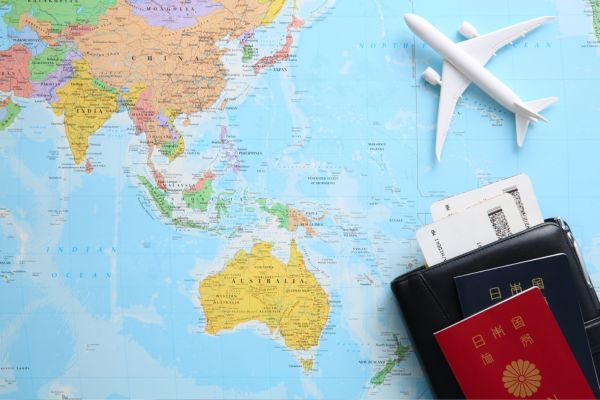
Passports, visas, identification cards, travel insurance details, and booking confirmations are small items with huge importance. Losing them can turn a pleasant journey into a stressful one very quickly.
A smart approach is to keep original documents secure and carry copies separately. Digital copies saved in a private cloud folder or email account can also be helpful if something is lost or stolen. However, it is not wise to rely only on your phone. Batteries die, devices break, and internet access is not always available when you need it most.
When moving through airports, stations, hotels, or busy streets, avoid placing important documents in loose outer pockets. A zipped inner pocket, money belt, or secure travel pouch is much safer. The goal is simple: your documents should be protected, but not so hidden that you cannot reach them when required.
Be Careful With Money and Cards
Financial risk is one of the most common travel concerns. Tourists can be easy targets because they may carry cash, look distracted, or be unfamiliar with local prices. To reduce this risk, avoid keeping all your money in one place. Carry only what you need for the day and store the rest securely.
Using cards can be convenient, but card safety matters too. Be cautious at ATMs, especially those in quiet or poorly lit areas. Machines inside banks, malls, or busy public places are generally safer than isolated street ATMs. Cover your PIN, check for unusual attachments on the machine, and avoid accepting help from strangers while withdrawing cash.
It is also wise to understand the local currency before you arrive. When travelers do not know the value of notes or normal price ranges, they are easier to overcharge. Even a basic sense of exchange rates and average costs can prevent confusion.
Choose Transportation With Care
Transportation can be one of the most enjoyable parts of travel, but it can also create real risks. Unlicensed taxis, unsafe driving, confusing public transport systems, and poorly maintained vehicles can all cause trouble.
Before arriving, learn how people usually move around safely in that destination. In some places, official taxi stands are best. In others, ride-hailing apps may be safer and more transparent. In large cities, trains and buses might be reliable during the day but less comfortable late at night.
When using a taxi or ride service, confirm the vehicle details before getting in. Share your route with someone you trust when possible, especially if traveling alone. If a driver pressures you, changes the price suddenly, or insists on taking an unfamiliar route without explanation, trust your instincts. Getting out in a safe public place is better than staying in a situation that feels wrong.
Protect Your Health While Traveling
Health risks can be easy to overlook, especially when the excitement of a trip takes over. New food, different water quality, long flights, irregular sleep, and climate changes can affect the body more than expected.
One practical step is to know whether tap water is safe at your destination. If not, use sealed bottled water or properly filtered water, including when brushing your teeth. Street food can be wonderful, but it is better to choose busy stalls where food is cooked fresh and served hot. Empty food stands may look peaceful, but they are not always the safest choice.
Travelers should also carry basic medicines for common issues like headaches, stomach discomfort, allergies, or minor cuts. This is not about expecting illness. It is about avoiding unnecessary stress when something small happens at an inconvenient time.
Sleep matters too. Many poor travel decisions happen when people are exhausted. A tired traveler is more likely to forget a bag, misread directions, lose patience, or ignore warning signs.
Stay Aware in Crowded Places
Crowded places are part of travel: markets, stations, festivals, beaches, landmarks, and shopping streets. They are also places where theft and scams often happen. Pickpockets usually look for distraction. A traveler taking photos, checking maps, handling luggage, or trying to manage children may not notice a hand reaching into a pocket or bag.
Keep bags closed and in front of you in crowded areas. Avoid placing phones or wallets on café tables. Do not hang bags loosely over the back of a chair. These habits may seem small, but they can make a big difference.
Awareness does not mean acting suspicious of everyone. It simply means noticing your surroundings. If someone bumps into you, creates a sudden distraction, or gets unusually close without reason, check your belongings calmly and move away.
Avoid Oversharing Your Travel Plans
Modern travel often comes with instant sharing. Photos, hotel views, boarding passes, and location updates can feel harmless. But sharing too much in real time can create avoidable risks.
Posting your exact hotel, room view, live location, or daily schedule may tell strangers where you are and when you are away. Boarding passes can also reveal personal travel information. It is safer to share updates after leaving a location rather than while you are still there.
The same rule applies in casual conversations. Friendly chats with strangers are often part of the joy of travel, but there is no need to reveal where you are staying, whether you are traveling alone, or your full plans for the next day.
Respect Local Customs and Laws
Some travel risks come from simple misunderstanding. What feels normal in one country may be offensive, inappropriate, or even illegal in another. Clothing expectations, photography rules, public behavior, religious customs, alcohol laws, and social etiquette can vary widely.
Respecting local customs protects both the traveler and the people who live there. It also creates better interactions. Locals are usually more helpful when visitors show effort and humility.
Before visiting religious sites, government buildings, traditional communities, or rural areas, take time to understand what behavior is expected. Ask before photographing people. Dress appropriately where required. Follow posted signs, even if other tourists ignore them.
Trust Your Instincts Without Becoming Fearful
One of the most valuable travel safety tools is intuition. If a street feels too quiet, a person seems too pushy, a deal sounds too good, or a situation feels uncomfortable, do not dismiss that feeling just because you want to be polite.
Travelers sometimes put themselves at risk because they do not want to seem rude. But safety should come before social pressure. You can leave, say no, change plans, ask for help, or step into a public place. A firm but calm response is often enough.
At the same time, it is important not to let fear ruin the trip. Most people you meet while traveling are not trying to harm you. Many are kind, generous, and proud to help visitors understand their home. The balance is to stay open, but not careless.
Have a Backup Plan for Emergencies
Even careful travelers can face unexpected problems. Phones can be stolen. Flights can be canceled. Weather can change. A hotel booking can fall through. Having a backup plan reduces panic.
Keep emergency contact numbers written down, not just stored in your phone. Know how to reach your country’s embassy or consulate if traveling internationally. Share your rough itinerary with a trusted friend or family member. Keep a small amount of emergency cash separate from your main wallet.
Travel insurance can also be useful, especially for international trips, adventure activities, expensive bookings, or destinations where medical care may be costly. The point is not to expect the worst. It is to make sure one problem does not destroy the entire journey.
Travel Slowly Enough to Make Good Decisions
Rushing creates risk. When travelers try to see too much in too little time, they become tired, distracted, and impatient. That is when bags are left behind, directions are misunderstood, and shortcuts suddenly seem tempting.
A slower pace gives you time to notice details. You can check transport carefully, choose food wisely, avoid unsafe neighborhoods after dark, and enjoy the place more deeply. Sometimes the safest travel decision is simply not squeezing one more stop into an already full day.
Good travel is not only about how many places you visit. It is also about how well you experience them.
Conclusion
Knowing how to avoid travel risks is really about traveling with awareness. It does not require fear, expensive gear, or constant worry. It requires preparation, common sense, respect for local conditions, and the willingness to slow down when something does not feel right.
Every journey carries some uncertainty, and that is part of what makes travel memorable. But risks become much easier to manage when you protect your documents, handle money carefully, choose transportation wisely, look after your health, and stay alert without closing yourself off from the world.
The best travelers are not the ones who never face problems. They are the ones who notice early signs, make calm decisions, and keep enough flexibility to adjust when plans change. With that mindset, travel becomes not only safer, but also more rewarding.