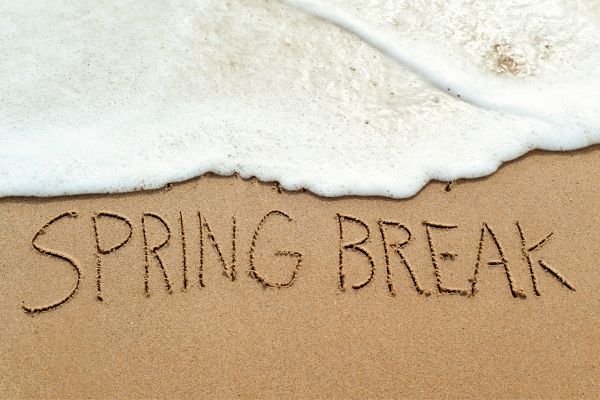
Spring break has a certain kind of magic to it. After weeks of classes, work, cold weather, or the same daily routine, the idea of packing a bag and heading somewhere warmer feels almost irresistible. Beaches, road trips, music festivals, city escapes, and group adventures all become part of the dream. It is a time to relax, laugh a little louder, stay out a little later, and make memories that feel different from ordinary life.
Still, the best spring break trips are not the ones where everything is left to chance. A little planning can make the difference between a fun adventure and a stressful experience. Safety does not mean ruining the excitement. In fact, it usually protects it. When travelers know how to look after themselves, their belongings, their friends, and their surroundings, they can enjoy the trip with more confidence.
These Spring Break Safety Tips are not meant to scare anyone away from having fun. They are simply practical reminders for traveling smarter, avoiding common mistakes, and making sure the story you bring home is one you actually want to tell.
Plan the Trip Before the Fun Begins
Spontaneity is part of spring break, but a completely unplanned trip can create problems quickly. Before leaving, it is worth knowing where you are staying, how you will get there, and what the area is like. Check the address of your hotel, rental, hostel, or resort. Look at nearby transport options, grocery stores, pharmacies, and medical facilities. It may feel like a small detail now, but it matters when you are tired, lost, or dealing with an unexpected situation.
Travelers should also share their basic itinerary with someone they trust back home. This does not need to be dramatic or overly detailed. A simple message with your destination, accommodation details, travel dates, and emergency contact information is enough. If your plans change, send an update. It takes only a minute and gives your family or friends peace of mind.
For international trips, check passport validity, visa rules, local laws, and travel advisories before departure. Some destinations have rules that may surprise visitors, especially around alcohol, public behavior, driving, dress codes, or beach regulations. Knowing the basics ahead of time helps you avoid trouble that could have been prevented.
Keep Your Travel Documents Safe
Few things can ruin a trip faster than losing important documents. Passports, IDs, boarding passes, hotel confirmations, travel insurance details, and emergency contacts should be stored carefully. It is smart to keep digital copies saved securely on your phone or email, but do not rely only on your device. Phones can die, break, or disappear at the worst possible time.
Carry only what you need when going out. If your accommodation has a safe, use it for passports, extra cash, backup cards, and other important items. When moving through busy areas like airports, bus stations, beaches, markets, or nightlife districts, keep your bag close and zipped. Pickpocketing often happens when people are distracted, tired, or caught up in the excitement around them.
It is also helpful to separate your money and cards. Keeping everything in one wallet may feel convenient, but if that wallet is lost or stolen, you could be stuck. A backup card or small amount of cash stored separately can save you from a very stressful situation.
Stay Aware in Crowded Places
Spring break destinations are often busy, and crowds can be both exciting and risky. Beaches, clubs, concerts, tourist attractions, and street festivals can make it easy to lose your group or misplace your belongings. Before heading into a crowded area, decide on a meeting point in case anyone gets separated. Phones are useful, of course, but signals can be weak, batteries can drain, and loud music can make communication difficult.
Awareness does not mean being tense all the time. It simply means paying attention. Notice exits when you enter a venue. Keep an eye on your drink, your bag, and your friends. Trust your instincts if a situation feels uncomfortable. Sometimes stepping away early is the smartest choice, even if everyone else wants to stay.
It is also better to avoid walking alone at night in unfamiliar areas. Use trusted transportation, stay with your group, and choose well-lit routes. If you are using a rideshare service, check the driver’s name, car model, and license plate before getting in. Small habits like these can prevent serious problems.
Be Smart About Alcohol and Nightlife
For many travelers, spring break includes parties, bars, clubs, or beach events. There is nothing wrong with enjoying the nightlife, but it is important to set limits before the night begins. Alcohol can lower awareness and make people more vulnerable to accidents, theft, unsafe decisions, or getting separated from friends.
One of the most useful Spring Break Safety Tips is simple: watch your drink from the moment it is served. Do not accept open drinks from strangers, and do not leave your drink unattended. If something tastes strange or you feel unusually dizzy, confused, or sick, get help immediately and tell someone you trust.
Groups should also look out for one another. Make a plan before going out. Decide who is leaving with whom, how you are getting back, and what to do if someone wants to leave early. The “buddy system” may sound basic, but it works. No one should be left alone because the rest of the group is having fun.
Also, remember that local laws around alcohol vary. Drinking on beaches, in public spaces, or under a certain age may lead to fines, arrest, or worse. A vacation is not a free pass to ignore rules, especially in another city or country.
Protect Your Health While Traveling
Spring break often comes with long days, late nights, sun exposure, new foods, and irregular sleep. That mix can wear down the body faster than people expect. Staying healthy on the road does not require perfection, but it does require some care.
Hydration is one of the easiest things to overlook. Warm weather, alcohol, dancing, swimming, and walking can all cause dehydration. Carry a reusable water bottle when possible, and drink water regularly throughout the day. If you are spending time in the sun, use sunscreen and reapply it. Sunburn can turn a dream beach day into a painful hotel-room recovery session.
Food safety matters too, especially when traveling somewhere unfamiliar. Try local food, enjoy yourself, but pay attention to cleanliness and freshness. If something looks questionable, it may be better to skip it. Travelers with allergies, medical conditions, or dietary restrictions should plan ahead and carry necessary medication.
A small travel health kit can be useful. Pain relievers, bandages, allergy medicine, stomach medicine, hand sanitizer, and any prescription medication should be packed before leaving. It is not exciting, but it is practical.
Use Technology Carefully
Phones are essential during travel. They help with maps, translations, payments, photos, reservations, and staying connected. But relying too heavily on technology can create its own risks. Keep your phone charged, carry a power bank, and download offline maps before exploring a new place.
Public Wi-Fi can be convenient, but it is not always secure. Avoid logging into sensitive accounts or entering payment details on unknown networks. When possible, use mobile data or a secure connection. Also, do not post your real-time location publicly, especially if your accommodation details or travel schedule are easy to figure out. Sharing every moment online may seem harmless, but it can reveal more than intended.
It is also wise to set a lock screen password and enable phone tracking features before the trip. If your phone is lost or stolen, these steps can help protect your information.
Respect the Destination and Local Community
Good travel is not only about personal safety. It is also about respecting the place you are visiting. Spring break destinations often deal with overcrowding, noise, litter, and careless behavior from visitors. Being respectful makes the trip better for everyone, including locals and other travelers.
Follow beach rules, avoid damaging natural areas, and dispose of trash properly. Be mindful of noise in hotels, rentals, and residential neighborhoods. Dress and behave appropriately according to the local culture. A destination is not just a backdrop for vacation photos; it is someone’s home.
Respect also applies to workers in restaurants, hotels, transport services, and tourist areas. A little patience goes a long way, especially during busy travel seasons. Everyone is dealing with crowds, long hours, and high demand.
Know What to Do in an Emergency
No one likes thinking about emergencies during vacation, but being prepared is part of traveling responsibly. Save local emergency numbers on your phone before you need them. Know where the nearest hospital, urgent care clinic, or pharmacy is located. If traveling internationally, know how to contact your embassy or consulate.
Travel insurance can also be worth considering, especially for international trips, cruises, adventure activities, or expensive bookings. It may help with medical issues, trip interruptions, lost luggage, or unexpected cancellations. Read the policy carefully so you understand what is covered.
If something goes wrong, stay calm and act quickly. Contact local authorities if necessary, inform your accommodation staff, and reach out to someone back home. Problems are easier to handle when you already know the first step.
Travel With Friends, But Think for Yourself
Group travel can be one of the best parts of spring break. Friends make the trip funnier, safer, and more memorable. Still, group pressure can sometimes lead people into situations they would normally avoid. It is okay to say no. It is okay to leave early. It is okay to skip an activity, spend a quiet evening in, or choose rest over another late night.
The best travel companions respect each other’s boundaries. Before the trip, talk honestly about budgets, plans, comfort levels, and expectations. Not everyone travels the same way. Some people want adventure every hour, while others need downtime. Clear communication prevents small tensions from turning into big arguments.
Looking after yourself is not selfish. It is part of making sure the trip stays enjoyable.
Conclusion
Spring break should feel exciting, refreshing, and a little unforgettable. It is a chance to step away from routine, explore new places, and enjoy time with friends or even by yourself. But the most memorable trips are usually the ones where travelers balance fun with awareness.
These Spring Break Safety Tips are really about common sense, preparation, and respect. Keep your documents safe, stay aware in crowds, make smart choices at night, protect your health, and look out for the people around you. None of these habits take away from the joy of travel. They simply help protect it.
A good spring break does not have to be perfect. It just needs to be safe enough, thoughtful enough, and meaningful enough that when you come home, you feel rested, happy, and glad you went.