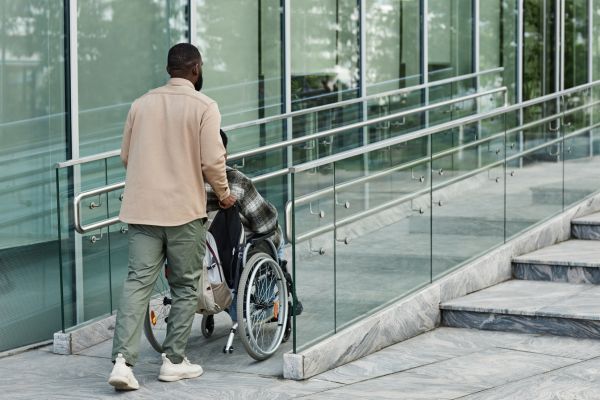
Air travel can feel complicated for almost anyone. There are tickets to manage, bags to check, security lines to pass through, gates to find, and sometimes long waits in crowded terminals. For disabled travelers, those ordinary travel pressures can become even more layered. A short flight may involve advance planning for mobility equipment, medication, seating, airport assistance, communication needs, or support during boarding.
Still, air travel for disabled persons should not feel like an impossible task. With the right preparation, a clear understanding of passenger rights, and a little patience for the unpredictable parts of travel, flying can become much more manageable. It may not always be perfectly smooth, because airports are busy places and airline systems are not always as thoughtful as they should be. But disabled travelers can move through the journey with more confidence when they know what to expect and what to ask for.
Understanding Your Needs Before Booking
The best travel experience often starts before the ticket is even purchased. Every disability is different, and every traveler has their own comfort level. Some people need wheelchair assistance from check-in to the gate. Others may need extra time during boarding, help navigating airport signs, a seat closer to the restroom, or space for medical equipment.
Before booking a flight, it helps to think through the journey step by step. Consider how long the flight is, whether there is a connection, how large the airport is, and whether the arrival time gives enough space to move calmly through the terminal. A cheaper ticket with a tight connection may look attractive at first, but for many disabled travelers, extra time is worth far more than a small saving.
It is also useful to review the airline’s accessibility information before choosing a flight. Most airlines explain how they handle mobility devices, service animals, onboard wheelchairs, medical devices, and special assistance requests. The language may feel formal, but the details can make a real difference. For example, some aircraft have limited accessible lavatory features, while smaller planes may have more restrictions on storage space for wheelchairs or assistive devices.
Requesting Assistance Early
Once the flight is booked, it is wise to request assistance as early as possible. This does not mean a disabled traveler has to give private medical details. In most cases, the airline only needs to know what kind of assistance is required. That might include help getting from the check-in desk to the gate, assistance boarding the aircraft, help transferring to an aisle chair, or support during a connection.
Early communication gives the airline and airport more time to prepare. It also creates a record of the request, which can be helpful if there is confusion on the travel day. Even after submitting a request online, many travelers prefer to call the airline directly and confirm the details. It may feel like extra work, but it can prevent awkward surprises later.
For air travel for disabled persons, clear communication is one of the most useful tools. Instead of saying only “I need help,” it is better to explain the specific task. For instance, “I use a manual wheelchair and need assistance transferring to the aircraft seat,” or “I can walk short distances but need wheelchair support through the airport.” Specific language helps staff understand the situation quickly and reduces the chance of the wrong type of support being arranged.
Planning for Mobility Devices and Medical Equipment
Mobility devices are not ordinary luggage. A wheelchair, walker, cane, scooter, or other assistive device is part of a person’s independence and safety. Because of that, disabled travelers often feel understandably nervous about handing equipment over to airline staff.
Before traveling, it helps to take photos of mobility equipment from several angles. These photos can document the condition of the device before the flight. Removable parts, such as cushions, footrests, joysticks, side guards, or bags, should be labeled and taken into the cabin when possible. If a power wheelchair is being transported, travelers should know the battery type and bring any manufacturer details that may be needed.
Medical equipment also requires careful planning. Devices such as CPAP machines, portable oxygen concentrators, insulin supplies, or other necessary medical items should be packed in a way that keeps them accessible. Medication should usually stay in carry-on luggage rather than checked bags, especially when delays or lost luggage could create a serious problem.
It is also smart to carry prescriptions, doctor’s notes, or basic medical documentation when traveling with specialized equipment. Not every trip will require showing these documents, but having them nearby can make conversations with airline or security staff easier.
Moving Through Airport Security
Security screening can be one of the more stressful parts of air travel. The process is fast-moving, public, and often noisy. Disabled travelers may worry about being rushed, separated from their equipment, or misunderstood by staff.
A calm approach helps, but it is also fair to speak up. Travelers can tell security officers what they can and cannot do. If standing, walking through a scanner, lifting arms, or removing shoes is not possible, alternative screening methods are usually available. People using wheelchairs or mobility aids can generally remain seated while being screened through other procedures.
Medication, medical liquids, and assistive devices may require additional checks. This can take more time, so arriving early is important. It is not about expecting problems; it is about creating enough space so that a delay at security does not become a crisis at the gate.
Some travelers also find it helpful to keep medical items organized in a separate pouch or bag. When everything is easy to find, the screening process often feels less chaotic.
Boarding the Plane with Less Stress
Boarding is a key moment in the journey. Disabled passengers who need extra time should use pre-boarding when available. This allows them to settle into the aircraft before the aisle fills with other passengers. It can also make transfers safer and less rushed.
For wheelchair users, boarding may involve transferring from a personal wheelchair to an aisle chair and then into the aircraft seat. This process should be handled carefully and respectfully. Travelers have the right to explain how they prefer to be lifted or supported. No one should feel embarrassed about giving instructions. After all, the traveler knows their body and equipment better than anyone else.
It is also important to confirm where mobility equipment will be stored and when it will be returned. Many travelers prefer to receive their wheelchair at the aircraft door after landing rather than at baggage claim. This request should be repeated at check-in, at the gate, and sometimes again before landing, because information can get lost between teams.
Choosing the Right Seat
Seat selection can shape the whole flight experience. Some disabled travelers prefer aisle seats for easier transfers or restroom access. Others may prefer a window seat to avoid being bumped by passengers in the aisle. Travelers with limited mobility may want to sit near the front of the plane to reduce walking distance.
Bulkhead seats sometimes offer more space, though they may also have fixed armrests or limited under-seat storage. Exit row seats are usually not available to passengers who may be unable to assist during an emergency. Because aircraft layouts vary, it is worth checking seat maps carefully and contacting the airline if a specific accessibility concern matters.
Comfort should not be treated as a luxury here. For many disabled travelers, the right seat is connected to pain management, dignity, safety, and independence.
Managing Connections and Delays
Connecting flights can be tricky, especially in large airports. A connection that seems comfortable for one traveler may be too tight for someone waiting for wheelchair assistance or moving with limited energy. When possible, longer layovers are often better. They allow time for restroom breaks, medication, food, equipment checks, and unexpected gate changes.
Delays add another layer of uncertainty. This is where preparation helps. Keeping snacks, medication, chargers, documents, and essential supplies in a carry-on bag can make delays less stressful. Travelers who use medical devices should also think about battery life and access to charging points.
It may sound simple, but pacing matters. Airports can push people into a rushed rhythm. Disabled travelers should not feel pressured to move faster than is safe or comfortable.
Traveling with a Support Person or Service Animal
Some disabled travelers fly independently, while others travel with a companion, caregiver, or support person. When assistance from a travel companion is needed, it is helpful to plan roles ahead of time. One person may handle documents and boarding passes while the other focuses on mobility, communication, or medical needs. Clear planning reduces stress in crowded spaces.
Service animals require additional preparation. Airlines often have specific forms, deadlines, and rules for service animals, especially on longer flights or international routes. Travelers should check requirements well before departure and make sure they understand relief area locations at airports.
Emotional support animals are not treated the same as trained service animals by many airlines, so it is important to understand the difference before arriving at the airport.
Knowing Your Rights Without Expecting Perfection
Passenger rights matter. Disabled travelers should be treated with dignity, given reasonable assistance, and allowed to travel with necessary assistive devices and medical equipment according to applicable rules. However, knowing your rights does not mean every staff member will handle every situation perfectly.
This is why documentation, patience, and assertive communication all matter. If something goes wrong, such as damaged equipment or assistance that does not arrive, it is important to report the issue immediately. Take photos, keep receipts, write down names when possible, and ask for the airline’s complaint process.
Advocating for yourself can feel tiring, especially during travel. But it is not being difficult. It is protecting your safety and independence.
Making the Journey More Comfortable
Beyond formal assistance, small personal choices can make flying easier. Wearing comfortable clothing, packing medication in an easy-to-reach place, carrying a water bottle after security, and bringing noise-reducing headphones can all help. For travelers with sensory sensitivities, anxiety, chronic pain, or fatigue, these details can make the difference between a manageable journey and an overwhelming one.
It is also okay to build rest into the trip. Many people focus only on the flight, but the full journey includes getting to the airport, checking in, waiting, boarding, flying, landing, collecting luggage, and reaching the final destination. That is a lot. Planning recovery time after arrival is not weakness; it is practical travel wisdom.
Air Travel with More Confidence
Air travel for disabled persons is not just about ramps, wheelchairs, or priority boarding. It is about access, dignity, preparation, and the right to move through the world with fewer barriers. A good trip often comes from a mix of planning and flexibility. Some parts can be controlled, such as requesting assistance early, organizing medical supplies, choosing a better connection, and confirming equipment handling. Other parts, like delays or staff confusion, require patience and self-advocacy.
Flying with a disability may take more preparation, but it can still lead to freedom, family visits, work opportunities, holidays, and new experiences. The goal is not to make travel perfect. The goal is to make it possible, safer, and less exhausting. With thoughtful planning and a clear understanding of what support is available, disabled travelers can approach the airport with more confidence and less uncertainty.