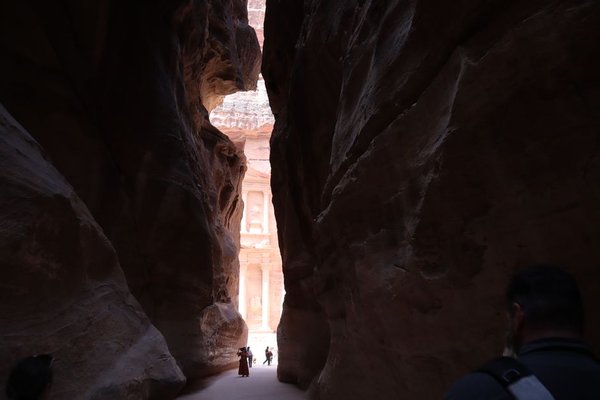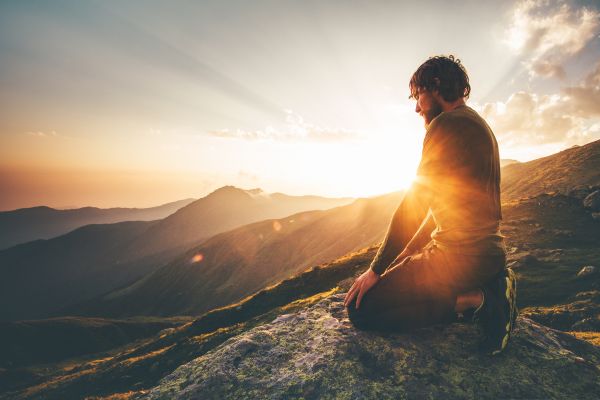
Travel is often described as a way to escape routine, see new places, and collect memorable experiences. Yet some journeys go far beyond sightseeing. They begin with a plane ticket, a train ride, or a long walk, but they slowly become something more personal. These are spiritual journeys—experiences that change the way people understand themselves, their relationships, and the world around them.
A spiritual journey does not always involve religion, although it certainly can. For one person, it may mean visiting an ancient place of worship. For another, it may happen while walking alone through a forest, crossing a desert, or staying in a quiet mountain village. The transformation often arrives unexpectedly. A traveler may leave home looking for adventure and return with a different sense of purpose.
When Travel Becomes an Inner Experience
Most trips are planned around destinations, schedules, and activities. Spiritual travel begins differently. Even when the route is carefully organized, the deeper purpose is usually less certain. A person may feel tired of a familiar life, confused about a major decision, or simply curious about what exists beyond everyday responsibilities.
The physical distance from home creates emotional space. Without the usual routines, social roles, and distractions, travelers often begin noticing thoughts they have ignored for years. Silence becomes less uncomfortable. Questions become harder to avoid.
This is one reason spiritual journeys can feel intense. A beautiful landscape may inspire wonder, but it can also bring buried feelings to the surface. A long walk may produce calm one day and frustration the next. Transformation rarely happens as a single dramatic revelation. More often, it unfolds through small moments: a conversation with a stranger, a quiet sunrise, a missed bus, or an afternoon spent completely alone.
Walking Ancient Pilgrimage Routes
Pilgrimage routes are among the oldest forms of spiritual travel. People have walked toward sacred destinations for centuries, carrying prayers, hopes, grief, gratitude, and uncertainty with them.
The Camino de Santiago in Spain is a well-known example. Travelers follow different routes toward Santiago de Compostela, walking through villages, farmland, forests, and historic towns. Some participants are religious pilgrims. Others are grieving, recovering from burnout, celebrating a life change, or searching for direction.
The rhythm of walking becomes part of the experience. Each day is reduced to a few simple tasks: wake up, pack, walk, eat, rest, and continue. Modern life often encourages speed and constant stimulation, but a pilgrimage forces people to slow down. The body becomes tired, the mind becomes quieter, and unnecessary worries gradually lose some of their power.
Pilgrims often say that the route teaches them to live with less control. Weather changes. Feet blister. Plans collapse. Yet the path continues. The lesson is simple, though not always easy: progress does not require perfection.
Finding Stillness in the Mountains
Mountains have long been associated with solitude, sacredness, and perspective. Their scale makes human concerns feel smaller, but not meaningless. Standing beneath enormous peaks can remind a traveler that life is both fragile and surprisingly spacious.
For some, spiritual journeys in the mountains involve meditation retreats, monasteries, or traditional places of worship. For others, the experience is entirely private. They may hike alone, sit beside a cold lake, or watch clouds move across distant slopes.
The physical challenge matters. Climbing requires patience and attention. Breathing becomes deliberate. Each step demands presence. There is little room for endless mental noise when the body is focused on balance, weather, and the next stretch of trail.
Many travelers return from mountain regions with a renewed respect for simplicity. They realize how little they need to feel alive: warmth, food, water, shelter, and perhaps a good conversation at the end of the day. That realization can be surprisingly freeing.
Desert Landscapes and the Power of Silence
The desert offers a different kind of transformation. Its emptiness can feel harsh at first. There are fewer trees, fewer buildings, fewer sounds, and fewer places to hide from one’s own thoughts.
Yet this simplicity is precisely what draws people toward desert retreats and spiritual travel. The wide horizon creates a feeling of openness. The silence is not truly empty; it contains wind, distant movement, shifting sand, and the sound of breathing.
In ordinary life, people often fill every quiet moment with a screen, a task, or a conversation. The desert removes many of those distractions. Time feels slower. Thoughts arrive more clearly.
A traveler may begin to recognize which worries are genuine and which have been repeated out of habit. Old resentment can seem exhausting. Ambitions that once felt urgent may lose their appeal. The desert does not provide direct answers, of course, but it creates a setting where honest questions can finally be heard.
Encounters That Change a Traveler’s Perspective
Not every spiritual transformation happens in isolation. Sometimes another person becomes the turning point.
A traveler may share tea with a family whose language they barely understand. They may meet a fellow pilgrim who speaks openly about loss. They may receive unexpected kindness from someone with very little to offer materially.
These encounters challenge assumptions. People who once seemed distant or unfamiliar become individuals with recognizable fears, humor, responsibilities, and hopes. Cultural differences remain, but they no longer feel like walls.
Such moments can reshape a person’s understanding of generosity. At home, hospitality may be treated as a social formality. On the road, it can become an act of trust. A meal offered by a stranger or directions patiently explained may stay in memory longer than famous landmarks.
Spiritual journeys often reveal that human connection does not depend on perfect communication. A gesture, a smile, or a shared silence may say enough.
Traveling Through Grief and Personal Loss
Some people begin spiritual travel after a painful ending. The death of a loved one, the collapse of a relationship, a health crisis, or the loss of a long-held dream can make ordinary surroundings feel heavy.
Travel does not erase grief. In fact, distance may initially make it more visible. Without familiar distractions, sadness can feel sharper. But movement can help grief change shape.
A person walking through a new landscape may begin to understand that healing is not the same as forgetting. Memories can remain while life continues. There can be sorrow in the morning and genuine laughter later that same day. Both are real.
Rituals often become meaningful during these journeys. A traveler may light a candle, leave a stone beside a path, write a letter that will never be sent, or sit quietly in a place their loved one would have admired. These private acts do not solve loss, but they can create a sense of acknowledgment and release.
Returning Home With a Different View
The most difficult part of a spiritual journey may be returning home. While traveling, life can feel clear and uncluttered. Back home, responsibilities return quickly. Emails, bills, traffic, family expectations, and old habits are waiting.
True transformation is tested in this ordinary environment. A journey matters not only because of what someone felt beside a mountain, temple, river, or desert road, but because of what they carry into daily life.
Some travelers make visible changes. They leave an unhealthy job, repair a damaged relationship, simplify their possessions, or begin a new spiritual practice. Others change in quieter ways. They listen more carefully. They become less reactive. They stop postponing meaningful experiences.
Not every lesson survives unchanged. The intensity of travel naturally fades. Still, even a small shift can matter. A person may remember that uncertainty is survivable, silence is useful, and strangers are not always as distant as they seem.
The Journey Does Not End at the Destination
Spiritual journeys are not magical shortcuts to wisdom. They can be uncomfortable, confusing, lonely, and physically demanding. A sacred destination does not automatically produce insight, and a beautiful view cannot repair every wound.
What travel can offer is space. It interrupts routine and places people in unfamiliar situations where old assumptions become easier to examine. It invites attention, humility, and a willingness to be changed.
The deepest transformation often happens slowly, long after the suitcase has been unpacked. A memory returns during a difficult conversation. A lesson from the road influences a major decision. A moment of silence becomes a new way of responding to stress.
In that sense, spiritual travel is less about reaching a holy place and more about learning to move through life with greater awareness. The road may end, but the inner journey continues—quietly shaping how a person sees, chooses, forgives, and begins again.