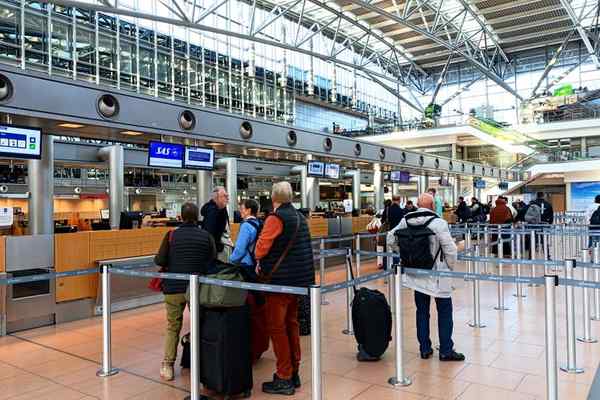
There’s a particular kind of dread that sets in when you see the security queue snaking halfway back to the check-in desks. You’ve left what felt like plenty of time, and yet here you are, watching the minutes tick down while the line barely moves. If you’ve travelled through a UK airport recently, you’ll know this isn’t a rare event anymore — it’s becoming the norm. The good news is that with a bit of planning, you can sidestep most of the frustration and actually enjoy the start of your trip instead of dreading it.
This guide walks through practical, tried-and-tested ways to avoid airport queues in 2026, from the moment you book your flight to the second you walk through the gate.
Why Airport Delays Have Become So Common
UK airports have seen a steady rise in passenger numbers over the past couple of years, but staffing and infrastructure haven’t always kept pace. Add in tighter security protocols, seasonal peaks, and the occasional system outage, and you end up with the kind of airport delays UK travellers have been venting about on social media all year. Understanding why the queues happen is the first step to avoiding them.
Peak Travel Times Are the Biggest Culprit
Early mornings, Friday evenings, and school holiday weekends are consistently the busiest windows at UK airports. If you have any flexibility in your travel dates or times, shifting even slightly outside these peak periods can make a noticeable difference to how long you spend standing in line.
Airport Security Tips That Actually Save Time
Security remains the single biggest bottleneck for most travellers, but there are a few habits that consistently speed things up.
Pack With the Scanner in Mind
Keep liquids, laptops, and anything metallic easily accessible rather than buried at the bottom of your bag. Being the person who holds up the line while rummaging for a laptop is avoidable — pack your hand luggage the night before with security in mind, not just convenience.
Dress for Speed
Belts, boots, and bulky jewellery all slow down the process. Slip-on shoes and minimal metal accessories mean fewer trips back through the scanner, which adds up when hundreds of people are moving through the same checkpoint.
Check the Rules Before You Travel
Liquid allowances and electronics rules have shifted more than once over the past couple of years as airports upgrade their scanning technology. A quick check of your specific airport’s current guidance before you leave home means you won’t be the one caught out and pulled aside for a bag search.
Consider a Fast Track Airport Option
If queues are a recurring source of stress rather than an occasional annoyance, it might be worth paying for a fast track airport service. Most major UK airports offer this as an add-on, usually costing somewhere between £5 and £25 depending on the airport and time of year. It gets you through a dedicated, shorter security lane and can turn a 45-minute wait into a five-minute one.
It’s not essential for every trip, but for early morning flights, tight connections, or travelling with young children, it’s often worth the small extra cost for the peace of mind alone.
Loyalty and Membership Perks
Frequent flyers with airline status or certain credit cards often get fast track access included at no extra charge. It’s worth checking whether any memberships you already hold come with this benefit before paying for it separately.
Beating Passport Control Delays
Passport control delays have become one of the most talked-about frustrations for UK travellers, particularly since changes to entry requirements for European travel came into effect. Long queues here are often less predictable than security queues, since they depend heavily on staffing levels and how many flights have landed at once.
Use eGates Where Possible
If you’re eligible, using the automated eGates rather than a staffed passport desk is almost always faster. Make sure your passport photo page is clean and undamaged, as even minor wear can cause the gates to reject a scan and send you to a manual queue instead.
Have Documents Ready in Advance
Whether it’s a passport, boarding pass, or any additional travel authorisation now required for certain destinations, having everything out and ready before you reach the desk keeps the queue moving — for you and everyone behind you.
Timing Your Airport Arrival Correctly
There’s a balance to strike here. Arriving too early just means standing around in a different queue, while arriving too late risks missing your flight altogether if things go wrong. As a general rule, two hours before a domestic or short-haul flight and three hours before a long-haul flight remains sound advice, but it’s worth checking your specific airport’s current recommendations, as some have adjusted their guidance in response to ongoing delays.
Use Live Airport Data
Many UK airports now publish live or near-live security wait times on their websites and apps. Checking this shortly before you leave for the airport can help you judge your timing far more accurately than relying on general advice alone.
Small Habits That Make a Big Difference
Beyond the bigger strategies, a few smaller habits consistently help travellers move through the airport faster: checking in online and dropping bags rather than queuing at a desk, travelling with hand luggage only where possible, and downloading your boarding pass to your phone rather than relying on a printed copy that might get misplaced.
None of these on their own will eliminate queues completely, but stacked together, they can shave a genuinely significant amount of time off your airport experience.
Frequently Asked Questions
What is the best time to avoid airport queues?
Mid-morning to early afternoon flights, and travelling outside school holidays where possible, tend to have shorter queues than early morning or evening peak slots.
Is fast track worth it at UK airports?
For early flights, tight connections, or travelling with children, most travellers find it worthwhile. For a relaxed midweek flight with plenty of time, it’s less essential.
Why are passport control delays so unpredictable?
Delays depend heavily on how many flights land within the same window and current staffing levels, which can vary day to day even at the same airport.
Do eGates always work faster than staffed desks?
In most cases yes, provided your passport is in good condition and you’re eligible to use them. Damaged or worn passport photo pages can cause rejections and send you to a manual queue instead.
Final Thoughts
Airport queues aren’t going away any time soon, but they don’t have to derail your travel day either. A little preparation — from how you pack your bag to whether you invest in fast track — can be the difference between a stressful sprint to the gate and a calm, on-time departure. Plan ahead, check current guidance for your specific airport, and give yourself the best possible chance of breezing through rather than standing in line.