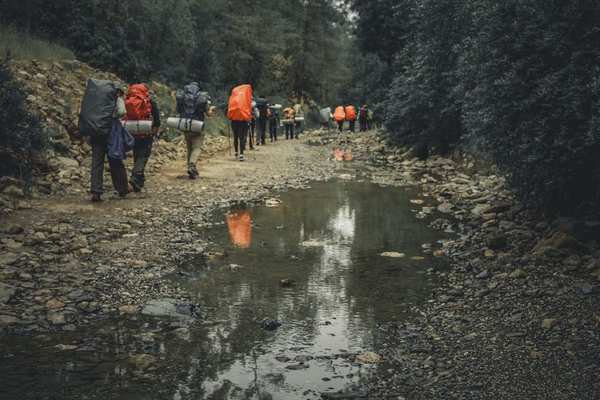
A long day hike can leave you wanting one more ridge, another stretch of coastline and a sunset you do not have to rush home to beat. That is the appeal of multi-day hikes in the UK: familiar footpaths become small journeys, with villages, changing landscapes and overnight stops shaping the experience. You do not need a fortnight off, either. Many celebrated long-distance routes work beautifully as two- to four-day breaks.
The trick is choosing a walk for its daily effort, not just its photographs. A gentle-looking coast path can involve relentless climbs, while a Highland trail may offer straightforward navigation but long gaps between accommodation.
Which UK multi-day hike should you choose?
For a first overnight adventure, look for clear waymarking, villages at sensible intervals and transport at both ends. If you already walk regularly in hills, a more remote Scottish route or steep coastal section may appeal. The six trails below offer different scenery and useful shorter options.
Six scenic multi-day walking routes worth planning
West Highland Way, Scotland: lochs and mountains
Running approximately 96 miles (154 km) from Milngavie to Fort William, the West Highland Way is a classic introduction to trekking in the UK. Its scenery builds from wooded paths and Loch Lomond to Rannoch Moor and the mountains near Fort William.
Allow roughly six to eight days for the whole route. For a shorter trip, explore a stretch around Tyndrum, Bridge of Orchy and Glencoe, checking walking distances and onward transport. The exposed northern sections demand reliable waterproofs. Inns, hostels and campsites provide overnight options, but book popular stops early.
Great Glen Way, Scotland: a waterside journey
The Great Glen Way covers about 79 miles (127 km) between Fort William and Inverness. Canal towpaths, forests and Loch Ness views make it attractive to walkers who prefer water scenery to constant mountain climbing.
Most people plan about five to seven days for the complete route. A two- or three-day section near Fort Augustus and Drumnadrochit can work well, although stages are long and accommodation is unevenly spaced. Higher alternatives above Loch Ness add ascent and exposure; choose lower options for a gentler introduction. Check the variant shown on your map.
Cotswold Way, England: villages and escarpment views
For stone villages, woodland and open views, consider the 102-mile (164 km) Cotswold Way between Chipping Campden and Bath. It follows the escarpment, so it is hillier than its postcard scenery suggests.
A full walk commonly takes seven to ten days. Shorter breaks can link Broadway, Winchcombe and nearby access points, provided you arrange transport. This is a comfortable option for first-time walkers who want guesthouses and an evening meal. Expect muddy tracks after rain and repeated climbs onto the ridge.
Hadrian’s Wall Path, England: walking through history
Hadrian’s Wall Path stretches roughly 84 miles (135 km) between Wallsend and Bowness-on-Solway. Its central countryside stages combine Roman remains, dramatic crags and views across Northumberland.
The complete route often takes six to eight days. For a shorter journey, plan around Chollerford, Once Brewed and Gilsland, choosing endpoints with transport or transfers. The central terrain is more undulating than the coastal approaches. Stay on the signed path and never walk on the historic wall itself.
Pembrokeshire Coast Path, Wales: cliffs and coves
The 186-mile (299 km) Pembrokeshire Coast Path runs between St Dogmaels and Amroth. It offers headlands, sheltered bays and fishing villages. It also brings a surprise: frequent descents into coves followed by steep climbs onto the cliffs.
The whole trail can take around two weeks, so many walkers choose sections. The St Davids coast or stretches around Tenby offer memorable shorter trips. Do not judge a day by mileage alone; 15 km with repeated steep steps can feel harder than a longer inland walk. Check any tide-sensitive alternatives and current diversions.
South West Coast Path, England: coastal variety
At roughly 630 miles (1,014 km), the South West Coast Path is a collection of walking holidays as much as a single trail. Between Exmoor, Cornwall, Devon and Dorset, it crosses cliffs, estuaries, harbours and beaches.
Walking all of it commonly takes seven to eight weeks, but a weekend section is much more practical. Choose one area: North Cornwall is rugged, while parts of South Devon have frequent towns and transport options. Check current cliff-erosion diversions and reserve summer accommodation early.
Plan the overnight stops before the mileage
Suppose you comfortably walk 18 km on local day hikes. For your first three-day Cotswold Way trip, aim initially for stages of about 12–16 km, then check climbs, beds and bus connections. Your target distance might land between villages; the actual overnight stops should determine your itinerary.
Use an up-to-date map and official trail notices to confirm each stage. Identify places to refill water and how to leave the route if weather or an injury changes your plans. Train with the pack you intend to carry. For many long distance walks in the UK, a manageable schedule beats an ambitious one.
Accommodation, weather and what to carry
Spring through early autumn generally offers longer daylight for hiking holidays in the UK, but conditions change quickly. Wind and rain are especially significant on exposed coasts and Highland ground. Check forecasts before departure and adjust plans when conditions exceed your experience.
Carry waterproof layers, warm clothing, broken-in footwear, a map, navigation backup, a headtorch, food, water and basic first aid. Guesthouses or hostels let you travel lighter than camping. Never assume wild camping is permitted: rules differ between Scotland and England or Wales, and local restrictions may apply.
Before committing, consider our guides to packing for a multi-day hike, navigating UK walking trails and choosing the best season for hiking in Britain.
Start with a trail you will enjoy, not just finish
The best multi-day hikes in the UK are not necessarily the longest or most remote. A well-planned three-day coastal walk with time to explore can be more memorable than a hurried attempt at an entire famous route. Pick scenery that excites you, allow for changing conditions and give each overnight stop a purpose. The confidence gained will make your next adventure easier to plan.
Frequently asked questions
What is the easiest multi-day hike in the UK for beginners?
A carefully chosen Cotswold Way section is a good starting point thanks to established paths and nearby villages. It still involves hills, so keep daily stages manageable.
How many days should my first multi-day hike last?
Two or three walking days are enough to practise packing, pacing and recovering overnight. Begin with modest distances rather than immediately committing to a week-long trail.
Can I walk these routes without camping?
Yes. Each has accommodation options, though some stages require advance bookings or transfers. Remote areas and popular summer dates need extra planning.
Do I need specialist navigation skills?
Signs help, but they can be missed and phones can fail. Carry a suitable map, understand the route and know how to navigate independently in poor visibility.