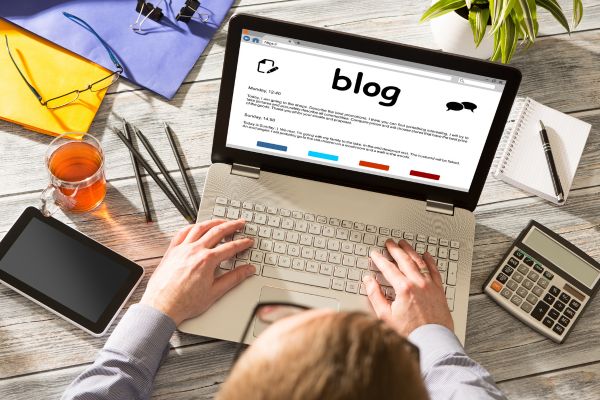
Starting a travel blog sounds glamorous, doesn’t it? You imagine sipping coffee in a quiet café somewhere in Europe, typing away stories from your latest adventure. But let’s be real for a second. Before any of that happens, you need a solid foundation. That’s where this Travel blog setup guide comes in.
If you’ve been stuck in the “I’ll start tomorrow” phase, you’re not alone. Most people don’t fail because they can’t write or don’t travel enough. They fail because the setup feels confusing, technical, or overwhelming. The thing is, it doesn’t have to be. Once you break it down and take it step by step, setting up a travel blog is actually pretty manageable.
So grab a drink, relax, and let’s walk through this together—like a friend explaining things, not some robotic instruction manual.
Understanding What a Travel Blog Really Is
Before jumping into tools and platforms, it helps to understand what you’re actually building. A travel blog isn’t just a place to dump photos and trip updates. At its core, it’s your voice, your perspective, and your experiences shared with the world.
Some travel blogs focus on budget travel. Others dive into luxury experiences, solo adventures, digital nomad life, or family trips. The beauty of it is that there’s no single “right” way to do it. This Travel blog setup guide isn’t about copying someone else’s formula. It’s about helping you create something that feels like you.
And yes, you can evolve over time. Most successful bloggers didn’t start with a perfect niche or a master plan. They started messy. That’s normal.
Choosing the Right Blogging Platform
This is usually where beginners get stuck. Too many options, too many opinions. But let’s simplify it.
A self-hosted WordPress blog is still the go-to choice for serious travel bloggers. It gives you control, flexibility, and room to grow. Free platforms might look tempting, but they come with limitations that can hold you back later.
When following a proper Travel blog setup guide, the key is thinking long-term. You want a platform that lets you customize your site, optimize for search engines, and eventually monetize if you choose to.
WordPress may sound technical, but once it’s set up, it’s surprisingly user-friendly. And trust me, you’ll thank yourself later for choosing it from the start.
Picking a Domain Name That Makes Sense
Your domain name is your blog’s identity. It’s the first thing people notice and often the first impression you make. You don’t need something fancy or clever. Clear beats clever almost every time.
Try to choose a name that’s easy to spell, easy to remember, and relevant to travel. Avoid numbers, hyphens, or overly long names. If it sounds confusing when you say it out loud, it’s probably not the best choice.
One important tip from this Travel blog setup guide is not to overthink branding too early. You don’t need the “perfect” name to begin. You just need one that works and doesn’t box you in.
Setting Up Hosting Without the Headache
Hosting is simply where your blog lives on the internet. Think of it as renting space for your website. A good hosting provider keeps your site fast, secure, and accessible.
For beginners, shared hosting is more than enough. It’s affordable and easy to manage. Most hosting companies offer one-click WordPress installation, which removes a lot of technical stress.
Once hosting is set up, everything else starts falling into place. This step might feel intimidating, but honestly, it’s usually easier than expected. Follow the prompts, take your time, and don’t panic if you make a small mistake. You can fix almost anything.
Designing Your Travel Blog Without Being a Designer
Here’s some good news. You don’t need design skills to make your blog look good. Themes exist for a reason.
Choose a clean, fast, and responsive theme that looks good on both desktop and mobile. Avoid flashy designs with too many animations. They might look cool, but they often slow down your site and distract readers.
This Travel blog setup guide strongly encourages simplicity. A clean layout keeps readers focused on your content, which is what really matters. You can always tweak colors, fonts, and layouts later as you learn more.
Creating Essential Pages That Build Trust
Every travel blog needs a few basic pages. An About page helps readers connect with you. A Contact page makes it easy for brands, readers, or collaborators to reach out. A Privacy Policy page is also important, especially if you plan to monetize in the future.
Don’t stress about making these pages perfect. Write like you talk. Share why you started traveling, what your blog is about, and what readers can expect. Authenticity goes a long way.
This part of the Travel blog setup guide is about credibility. Even if you’re new, having these pages shows that you’re serious and professional.
Writing Your First Travel Blog Posts
Now comes the fun part. Writing.
Your first few posts don’t need to be masterpieces. They just need to exist. Write about trips you’ve already taken, travel tips you wish you knew earlier, or lessons you’ve learned on the road.
Focus on being helpful and honest. Readers can spot fake enthusiasm from a mile away. Share real experiences, even the messy ones. Especially the messy ones.
One thing many beginners miss in a Travel blog setup guide is consistency. You don’t need to post every day. You just need a schedule you can stick to. Even one solid post per week is a great start.
Basic SEO Without Losing Your Mind
SEO sounds scary, but it’s not magic. It’s simply about helping search engines understand your content.
Use your main keyword naturally, like “Travel blog setup guide,” in your title, headings, and throughout your content. Write clear meta descriptions. Use descriptive headings. Keep paragraphs readable.
But here’s the thing. Don’t write for search engines first. Write for humans. If your content is genuinely useful, SEO becomes much easier.
Search engines change all the time. Good content lasts longer.
Staying Motivated When Growth Is Slow
Let’s talk about the part no one likes to mention. Growth can be slow. Really slow.
You might publish posts and hear nothing for weeks or even months. That’s normal. Every successful travel blogger has been there.
This Travel blog setup guide wouldn’t be complete without saying this: don’t quit too early. Blogging is a long game. The effort you put in today often pays off much later.
Celebrate small wins. Your first comment. Your first email subscriber. Your first hundred visitors. They all matter.
Final Thoughts on Starting Your Travel Blog
Starting a travel blog isn’t about perfection. It’s about starting. This Travel blog setup guide exists to remind you that you don’t need to know everything upfront. You learn as you go.
Some days you’ll feel inspired. Other days, not so much. That’s okay. Keep showing up. Keep writing. Keep sharing your story.
Because somewhere out there, someone is looking for exactly the kind of travel advice only you can give. And the only way they’ll ever find it is if you start today.