Thailand’s islands can look interchangeable on a map, but the experience changes by coast, season, budget, and travel style. A traveller wanting resorts and restaurants may prefer Koh Samui, while someone seeking slower beach days may be happier on Koh Lanta or Koh Kood.
The clearest way to compare the best Thailand islands to visit is by region: the Andaman Sea, the Gulf of Thailand, and the eastern coast near Trat. Each has its own scenery, atmosphere, and seasonal pattern, especially if you are planning Thailand island hopping.
Gulf of Thailand: Best for Variety and Multi-Island Trips
Koh Samui: Best all-round island
Koh Samui suits travellers who want a polished beach holiday without sacrificing choice. It has an airport, varied hotels, restaurants, nightlife, family-friendly beaches, and access to Ang Thong National Marine Park. Chaweng is the liveliest base, Lamai is slightly more relaxed, while Bophut and quieter western beaches suit a slower pace.
Samui works especially well for first-time visitors, families, couples, and anyone with limited holiday time. It can cost more, but convenience is a major advantage.
Koh Phangan: Best for social travel with quiet alternatives
Koh Phangan is famous for the Full Moon Party, but the island offers much more than nightlife. The south has the strongest party scene, while northern and eastern areas offer quieter beaches, yoga retreats, small resorts, and a laid-back atmosphere. It works for groups who want nightlife as well as couples and longer-stay travellers who choose a calmer base.
Koh Tao: Best for diving
Koh Tao is smaller and more focused than Samui or Phangan. It is particularly well known for scuba diving and snorkelling, with dive schools and boat trips forming a major part of island life. Sairee Beach is the main social area, while smaller bays provide quieter stays. If your trip revolves around time in the water, Koh Tao is one of Thailand’s strongest choices.
Andaman Coast: Best for Dramatic Scenery
Phuket: Best for convenience and nightlife
Phuket is Thailand’s largest island and functions almost like a complete destination. It offers international flight connections, resorts at many price levels, beach clubs, markets, restaurants, family attractions, and access to nearby islands. Patong suits nightlife seekers, while Kata, Karon, Kamala, and other areas offer different balances of beach time and activity.
The trade-off is development. Phuket is not ideal for a secluded island atmosphere, but it is a practical starting point for an Andaman coast trip.
Koh Phi Phi: Best for iconic limestone scenery
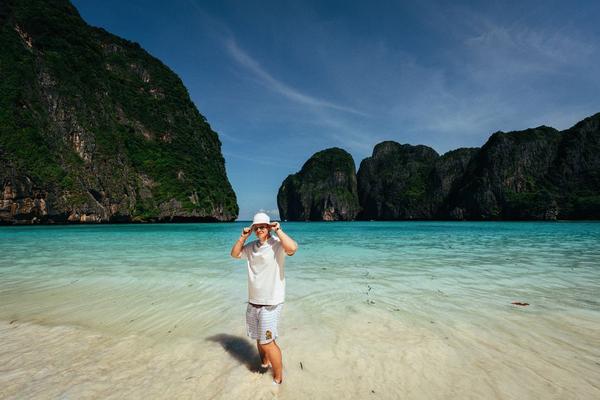
Koh Phi Phi delivers some of southern Thailand’s most recognisable scenery: turquoise water, steep limestone cliffs, compact bays, and boat trips around nearby islands. The main settlement around Tonsai is lively, with restaurants, bars, and accommodation close together, while quieter beaches offer a different experience.
The Tourism Authority of Thailand identifies November to April as a favourable period, when rain is generally less frequent. Phi Phi often works best as part of a wider Andaman itinerary rather than the entire holiday.
Koh Lanta: Best for couples, families, and slower travel
Koh Lanta offers a useful contrast to Phuket and Phi Phi. It is developed enough for comfortable travel but still has long beaches, forested areas, and a slower evening scene. Families, couples, and independent travellers often appreciate having room to settle in rather than constantly changing locations.
A practical example: with ten days in southern Thailand, spend two or three nights around Krabi or Phi Phi for sightseeing, then four or five nights on Koh Lanta for downtime. You get the Andaman coast’s dramatic highlights without making the trip feel like a sequence of ferry transfers.
Koh Lipe: Best for clear water and a compact setting
Farther south, Koh Lipe appeals to travellers seeking clear water, snorkelling, and a smaller-island feel. Its remote location makes it less convenient than Phuket or Samui, so it rewards a stay of several nights. Transport costs can also raise the overall budget.
Eastern Thailand: Best for Nature and Quiet
Koh Chang: Best for beaches, rainforest, and value
Koh Chang in Trat Province combines beaches with a mountainous, forested interior. It is Thailand’s second-largest island and offers waterfalls, hiking, snorkelling, diving, and accommodation across several budgets. Compared with Phuket or Samui, it can feel less urbanised while still offering useful tourist infrastructure.
The Trat islands are more affected by the southwest monsoon from roughly May to October, when rain and rougher seas can affect some boat travel. Conditions vary, so check local forecasts and ferry operations shortly before travelling.
Koh Kood and Koh Mak: Best for quiet beach escapes
Koh Kood is a strong choice for travellers who value clear water, uncrowded beaches, waterfalls, and resort-style relaxation over nightlife. Nearby Koh Mak is smaller and similarly peaceful. Both appeal to couples and repeat visitors who have already experienced Thailand’s busier islands.
Which Thai Island Should You Choose?
For first-time visitors who want convenience, Koh Samui or Phuket are the safest bets. For nightlife, choose Koh Phangan or busier parts of Phuket and Phi Phi. For diving, Koh Tao stands out. For slower beach days, Koh Lanta is one of the most balanced options, while Koh Kood and Koh Mak suit travellers who actively want quiet.
Season can be the deciding factor. The Andaman coast is usually most dependable from roughly November through April, while the Gulf islands follow a somewhat different rainfall pattern. Thailand’s weather is influenced by monsoons, so no month guarantees sunshine. Compare regional conditions instead of assuming every island shares the same season.
For a longer trip, useful related topics include Thailand travel planning, Southeast Asia beach itineraries, and first-time Thailand travel tips. Keeping islands within one region usually reduces travel time.
Frequently Asked Questions
What is the best Thailand island for a first visit?
Koh Samui and Phuket are the easiest first-island choices because they offer strong transport links, broad accommodation options, restaurants, tours, and beaches for different travel styles. Samui feels more island-focused, while Phuket offers the widest range of facilities.
Which Thai island is best for couples?
Koh Lanta is excellent for couples who want relaxed beaches and quiet evenings, while Koh Kood suits those prioritising seclusion. Couples who prefer luxury resorts, dining, and more activities may prefer Koh Samui.
Which islands are best for Thailand island hopping?
In the Gulf, combine Koh Samui, Koh Phangan, and Koh Tao. On the Andaman side, build a route around Phuket, Krabi, Koh Phi Phi, and Koh Lanta. Staying within one coastal region usually makes transfers simpler.
Is the Andaman coast better than the Gulf of Thailand?
Neither is universally better. The Andaman side is famous for limestone scenery and classic island-hopping routes, while the Gulf offers a strong mix of resorts, diving, nightlife, and multi-island travel. Your dates and preferred travel style should decide the coast.
Choosing the Right Island for Your Trip
The best Thailand island is not necessarily the most famous one. It is the island that fits your season, budget, pace, and priorities. Choose Samui for variety, Tao for diving, Phi Phi for dramatic scenery, Lanta for a slower stay, or the Trat islands for a quieter escape. Comparing regions first makes planning easier and helps your island time match the holiday you actually want.