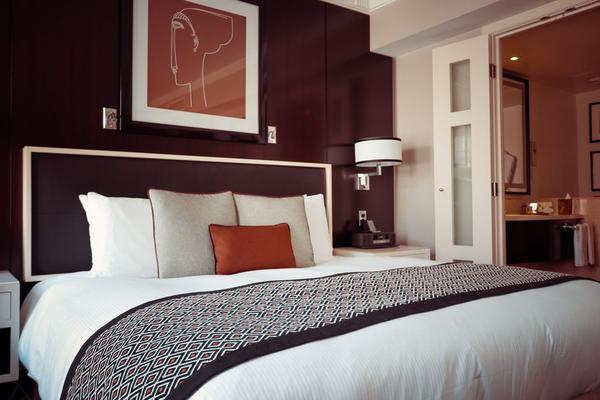
A hotel room can be perfect for a weekend. Try sharing one for ten nights with two children, a laptop and a suitcase full of laundry, though, and the appeal may fade. The serviced apartment vs hotel decision is less about which accommodation is more luxurious and more about how you intend to spend your time between outings.
Hotels generally prioritise convenient services and a straightforward short stay. Serviced apartments offer furnished living space, usually with cooking facilities and professional support. Neither is automatically cheaper or better. Your group size, length of stay and daily routine make the difference.
The biggest difference is how you use the space
A standard hotel room combines sleeping, relaxing and often working in one area. Larger suites exist, but they usually cost more. A serviced apartment may include a separate bedroom, sitting area and dining table, making it easier for travellers to follow different schedules.
That separation matters to families and colleagues. Someone can take a video call while another person watches television. Parents can put children to bed without turning off every light. However, check the actual floor plan: a studio marketed as serviced accommodation may have no separate bedroom.
Kitchens change more than the food budget
Most conventional hotel rooms provide a kettle or coffee machine rather than a full kitchen. Many serviced apartments include a hob, fridge, microwave and cookware, although equipment varies. A self catering stay allows you to make breakfast before an early meeting, store groceries or prepare a meal that suits your dietary needs.
Cooking every evening is not necessary for a kitchen to be worthwhile. Even having somewhere to make sandwiches or heat a child’s meal can make a long trip less tiring. Before booking, confirm what the kitchen contains. A kitchenette with only a microwave is different from a kitchen suitable for daily cooking.
Housekeeping and help: convenience versus control
Many hotels offer daily room cleaning, a staffed reception and prompt access to extra towels or toiletries. Serviced apartments may provide weekly cleaning, cleaning every few days or daily service at a higher rate. Some use remote check-in and an on-call support team instead of a round-the-clock desk.
Neither arrangement is inherently preferable. If you want your bed made while you are out and someone available late at night, a full-service hotel has an advantage. If you prefer fewer visits from housekeeping and more control over your routine, an apartment may feel more comfortable. Ask about emergency support, linen changes and appliance repairs.
Privacy, noise and the everyday rhythm
An apartment can feel more private because you have somewhere to sit away from your bedroom, but privacy depends on the building. A busy apartment block can be noisier than a quiet hotel. Look for reviews mentioning corridor noise, lifts and Wi-Fi. For a long stay, a comfortable desk and laundry facilities may matter more than a stylish lobby.
Which offers better value for money?
Hotels often make sense for brief trips because their rate covers convenient services without any need to shop, cook or manage a household. Serviced apartments can become competitive on longer stays, particularly when one multi-bedroom unit replaces several hotel rooms. Some operators offer weekly or monthly pricing, but discounts are not guaranteed.
Compare the total amount payable, not simply the advertised nightly rate. Include taxes, cleaning or service charges, parking, laundry, breakfast and any refundable deposit. Check whether housekeeping or utility use costs extra. A cheaper apartment far from your activities can also lose its advantage through daily transport expenses.
For example, imagine four relatives visiting for ten nights. They might need two hotel rooms, with meals bought outside every day. A two-bedroom serviced apartment could give them a shared living area and a kitchen. Calculate the cost of both hotel rooms against the entire apartment booking, then add realistic food and transport spending. The better choice may reduce hassle, even if prices are similar.
What about amenities?
Full-service hotels may offer restaurants, concierge assistance, room service, gyms and pools. Serviced apartments sometimes provide similar facilities, especially in larger buildings, but others offer little beyond accommodation itself. For extended stay accommodation, check useful essentials first: dependable Wi-Fi, laundry, kitchen equipment, a comfortable workspace and safe access at night.
Serviced apartment, aparthotel or extended-stay hotel?
The names overlap. An aparthotel commonly combines apartment-style rooms and kitchens with hotel-like reception or shared facilities. An extended-stay hotel may offer in-room cooking equipment and simplified services. There is no universal guarantee that an aparthotel is larger than a hotel or that a serviced apartment includes daily cleaning.
When comparing an aparthotel vs hotel, ignore the marketing category for a moment. Check the number of separate sleeping spaces, kitchen specification, service hours and cancellation terms. These details reveal more about the actual experience than the accommodation label.
Match the accommodation to your trip
For a short city break
A hotel is often the easiest option when you will spend most of your time sightseeing and only return to sleep. A central location, luggage storage and readily available staff may outweigh the benefits of extra floor space.
For a family holiday or group trip
A serviced apartment becomes appealing when several people need separate bedrooms, room to gather and flexibility around mealtimes. Confirm stated occupancy, bed configuration and bathrooms rather than assuming every sofa is a suitable sleeping place.
For a work assignment or temporary relocation
If your stay lasts weeks rather than nights, a desk, laundry facilities and somewhere to cook can help you maintain a normal routine. Clarify invoice requirements, minimum stays and extension policies before committing, particularly when your departure date might change.
Before you book
Request the exact floor plan and a full list of included services. Check the cleaning schedule, reception hours and mandatory charges. Read cancellation terms carefully: some longer-stay rates are less flexible than nightly bookings. Accessibility, lift availability and travel time to your main destination deserve equal attention.
Frequently asked questions
Is a serviced apartment cheaper than a hotel?
Sometimes, especially for longer bookings or groups that would otherwise require multiple rooms. Prices depend on location, season, services and fees, so compare complete totals for the same dates and number of guests.
Do serviced apartments have housekeeping?
Many do, but the frequency varies by property and rate. Cleaning might be daily, weekly or available for an additional charge. Confirm the schedule before booking.
Can you stay in a serviced apartment for just one night?
Some operators accept one-night bookings, while others set minimum stays. Availability and pricing may also change according to the season.
Are aparthotels suitable for families?
They can be, particularly when they provide separate sleeping areas and cooking facilities. Check capacity, child policies, bedroom layouts and any safety features you need.
So, which should you choose?
Choose a hotel when immediate convenience, frequent housekeeping and on-site hospitality matter most. Lean towards a serviced apartment when you need room to spread out, prepare food and live comfortably for longer. The best booking is not the one with the grandest description; it is the one whose layout, services and full price genuinely fit your stay.