A hostel can make a solo trip feel welcoming within minutes—or leave you wishing you had booked elsewhere. The difference is rarely the prettiest lobby or the cheapest bed. When you arrive alone, more useful questions are: Where will you keep your bag? Can you meet people without joining a party? Will you sleep before an early train?
When comparing hostels for solo travellers, look at how each property works during an ordinary day, not just how it appears in promotional photos. These checks will help you choose accommodation that fits your plans and comfort level.
Start With the Stay You Want
The best hostels for solo travel are not necessarily the liveliest. A first-time solo guest may enjoy shared dinners and walking tours; someone leaving for a dawn hike may prefer quiet rooms and dependable Wi-Fi. Decide whether your priorities are meeting people, sleeping well, convenient transport, privacy or the lowest possible cost. Let those preferences guide your shortlist instead of relying on an overall rating alone.
Check the Location From a Solo Arrival Perspective
“Central” tells you very little. Find the address on a map, then work out how to reach it from the airport or station, particularly if you arrive after dark. Check transport operating hours and the final walk with luggage. Consider where you will eat and what the return journey looks like after an evening out.
Imagine landing at 10:30 pm with a tired phone battery. Could you explain, in three simple steps, how to reach reception? If not, research the route or ask the hostel for late-arrival instructions. A slightly pricier bed near reliable transport may beat a cheaper one that requires repeated taxi rides.
Look Closely at Lockers and Room Access
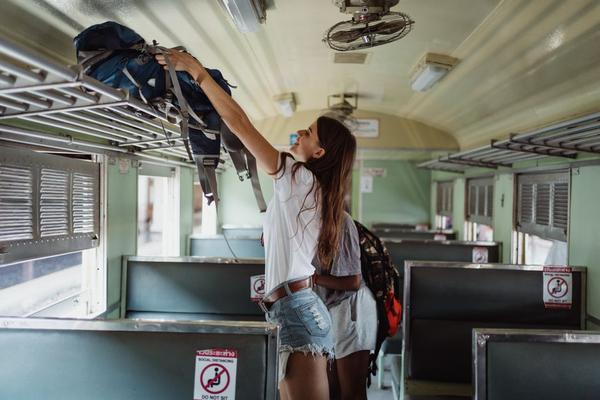
Security matters when nobody is travelling with you to watch your bag while you shower or eat breakfast. Confirm that guests have individual lockers and ask what fits inside. Some accommodate full backpacks; others hold only passports, wallets and electronics. Find out whether to bring a padlock or use an electronic lock.
Check whether dorm doors have controlled access, whether reception is staffed during your arrival window and whether luggage can be stored around check-in or checkout. These precautions help reduce risk, but no system guarantees safety. Keep valuables secured instead of leaving them unattended on your bed. A solo travel safety checklist can help establish sensible habits before departure.
Choose the Right Dorm, Not Just the Cheapest Bed
Compare room size and layout
A large dorm can save money, but it may also mean more alarms, late arrivals and bathroom queues. Compare smaller rooms if you sleep lightly. Inspect actual dorm photos for bed spacing, ventilation, reading lights and reachable sockets rather than relying on pictures of the lounge.
Know what privacy you are buying
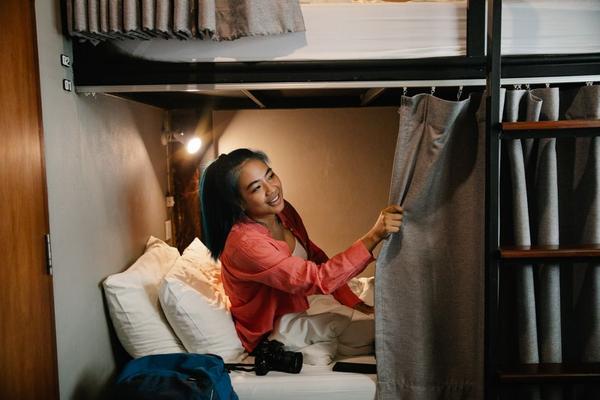
Bed curtains and personal lights can make a shared room more comfortable, but they are not standard everywhere. Female-only dorms may suit guests who prefer them. A private room in a hostel offers space to unwind while retaining access to social areas, although the bathroom may still be shared.
Find Social Spaces That Match Your Personality
Good solo traveller hostels make conversation possible without demanding it. Look for shared kitchens, welcoming lounges, organised walks or communal meals. A scheduled dinner is often an easier first-evening introduction than attempting to meet everyone in a dorm.
Distinguish social hostels from party hostels. Repeated mentions of pub crawls, music and late-night bars may be inviting or exhausting, depending on your plans. Look for recent comments about actual activities, not merely a listing that promises a “great atmosphere”. For other easy ways to connect, explore advice on meeting people while travelling alone.
Consider Sleep, Bathrooms and Everyday Facilities
Quiet hours are useful only if guests respect them. Read reviews for mentions of noise from bars, corridors and nearby streets. Earplugs can help, but a dorm above a nightclub may still be unsuitable before an early departure.
Check recent feedback about bathrooms, hot water, cleaning and maintenance. If you intend to cook, confirm there is usable kitchen equipment and food storage. Also consider laundry access, heating or air conditioning, Wi-Fi and any towel charges. A practical solo travel packing list should include a padlock if required, earplugs and shower shoes for shared facilities.
Read Reviews for Specific Patterns
When choosing a hostel, read recent reviews by solo guests and search for concerns such as “locker”, “noise”, “clean bathroom” or “helpful staff”. Several independent reports of the same problem matter more than one unusually negative comment. Check guest photos for clues about actual rooms and bathrooms.
Interpret opinions in context. Someone complaining that a hostel is too quiet might be describing your ideal place. Likewise, rave reviews praising all-night parties are not necessarily recommendations for a light sleeper. Conditions and management change, so give detailed, recent observations more weight than old ratings.
Compare the Final Cost and Booking Rules
The advertised nightly rate may exclude local taxes, deposits, towels or locker fees. Check the amount due on arrival and whether you can cancel without losing the full payment. Read check-in instructions carefully: some hostels have round-the-clock reception, while others require advance notice for late arrivals.
If your schedule is uncertain, message the property before booking. Save the address and arrival instructions for offline access, especially when crossing borders or changing transport.
Use a Four-Part Booking Test
Before confirming, make sure you can reach the hostel comfortably, secure your belongings, sleep in a suitable room and socialise on your own terms. If one point remains unclear, send a direct question. For example: “Does each bed in the six-person dorm have a locker big enough for a cabin-size backpack, and will someone be available to check me in after midnight?” Specific answers are more useful than vague promises of convenience and safety.
Frequently Asked Questions
Are hostels safe for solo travellers?
Many are suitable for solo guests, but standards vary. Look for individual lockers, controlled sleeping-area access, clear reception procedures and consistent recent feedback. Stay aware of your surroundings and secure valuables.
Is a smaller dorm better for solo travel?
It can mean fewer disturbances, although it often costs more. Compare room layout, facilities and reviews, not just bed count.
Can I meet people without staying in a party hostel?
Yes. Shared kitchens, walking tours, group meals and relaxed lounges provide opportunities to chat without nightlife or pressure.
What should I ask before booking a hostel?
Ask about locker size, padlocks, late check-in, access to dorms, bathroom arrangements and any charges not included in the displayed rate.
Choose a Hostel That Makes the Trip Easier
A good solo hostel gives you freedom: secure storage, a comfortable bed, a straightforward arrival and company when you want it. Look beyond polished photographs and pick the place that supports your actual plans. You should spend your trip enjoying the destination, not solving preventable accommodation problems.