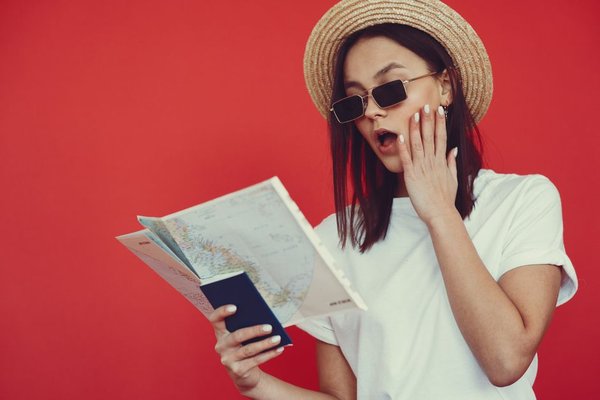
Your first solo trip can feel exciting and slightly strange at the same time. You are choosing the destination, setting the pace and solving small problems without a familiar travel companion beside you. That independence is the appeal, but it can also make first time solo travel feel mentally demanding. The goal is to make the basics predictable enough that you have room to enjoy the experience.
Choose an easy first destination
A first solo holiday is usually smoother when the destination matches your current confidence level. Look for straightforward transport, accommodation with plenty of recent reviews, and neighbourhoods where you can walk or use public transport easily. If possible, avoid arrival times that leave you navigating an unfamiliar place late at night.
A three- or four-night city break can teach you plenty about your solo travel style before you commit to something longer.
Make the first 24 hours simple
One of the most useful first solo trip tips is to plan arrival day carefully. Know how you will get from the airport or station to your accommodation, keep the address saved offline, and check official transport or taxi options before you travel.
Imagine your flight lands at 6:30 pm after a delay and your phone battery is low. If you already know which train to take, where to get off and how far the hotel is from the stop, the situation stays manageable. A small amount of preparation prevents tiredness from turning into unnecessary stress.
Keep your itinerary structured but flexible
Solo travel gives you complete freedom, which can tempt you to schedule every hour. Leave gaps. A practical rhythm is one main activity in the morning, another in the afternoon, and a flexible evening. This gives you time to eat, rest, change plans or stay longer somewhere you enjoy.
For beginner solo travel tips, this matters more than squeezing in extra attractions. Booking a few anchor activities in advance reduces decision fatigue while leaving space for spontaneous discoveries.
Pack for independence
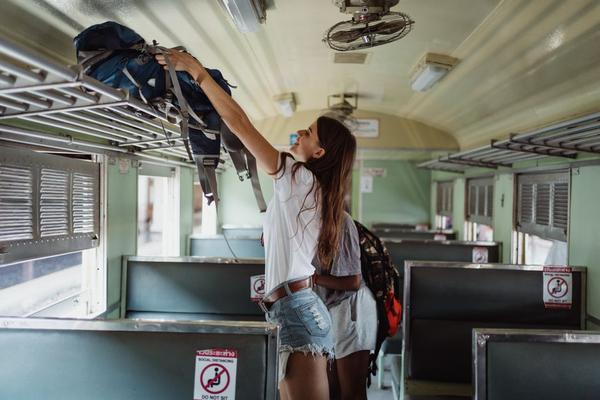
Pack light enough that you can manage your luggage without help. Bring the essentials you would struggle to replace immediately: identification, payment cards, any required medication, charging cables, a power bank and suitable clothing for the weather. Split important items between bags where practical.
Save digital copies of key documents securely and keep important booking details available offline. A destination-specific solo travel packing list can help once you know the weather, transport and length of your trip.
Create a simple safety routine
Good solo travel safety is mostly about consistent habits rather than being anxious all day. Check official travel advice for your destination before departure and again if local conditions change. Share your basic itinerary and accommodation details with someone you trust, and agree on a sensible check-in pattern.
When you go out, stay aware of your route home and trust yourself if a person, venue or situation feels uncomfortable. It also helps to separate your payment options. Keep one card accessible for daily spending and a backup stored securely elsewhere, so losing a wallet does not leave you without a way to pay.
Use routines to make unfamiliar places feel normal
The emotional side of a first solo trip often surprises people. You may feel confident in the morning, lonely at lunch and delighted again an hour later. Those shifts do not mean the trip is going badly. They are part of adjusting to solo travel.
Create small routines: have breakfast at the same café twice, take a short walk after checking in, or plan one relaxed evening instead of filling every night. Familiar habits can make a new place feel easier to navigate.
Socialise without making company the goal
Travelling alone does not mean spending the entire trip alone. Walking tours, food experiences, classes and communal accommodation spaces can create low-pressure opportunities to talk to people. Choose activities you would enjoy even if you did not meet anyone; that removes the pressure to force a connection.
If you prefer quieter travel, a brief chat with staff or another visitor may be enough. Company is an option, not a measure of whether the trip is successful.
Prepare for awkward moments
Eating alone, asking for directions or sitting by yourself in the evening can feel unusually visible on a first trip. In practice, most people are paying far less attention than you imagine. Start with easy environments such as cafés, food halls or counter-service restaurants if a formal meal feels uncomfortable.
Have a backup plan for common problems. If you get lost, step into a shop or café and re-check your route. If you feel lonely, call someone at home, join a scheduled activity or return to a familiar place. Reading about handling loneliness while travelling alone before departure can make these moments feel less unexpected.
Protect your energy and budget
Solo travellers sometimes overcompensate by staying out late, walking everywhere or booking too much because nobody else suggests a break. Build rest into the plan, eat at normal intervals and pay attention to how tired you are before making late-night transport decisions.
Solo accommodation can also cost more per person because there is nobody to split the room. Decide where convenience is worth paying for. A central hotel may cost more than one on the outskirts, but it can save transport time and make evenings easier.
FAQ
How long should a first solo trip be?
There is no perfect length, but a few nights can be enough to experience solo travel without making the commitment feel overwhelming. Pick a duration that gives you time to settle in rather than rushing through the destination.
Is it normal to feel nervous before travelling alone?
Yes. Nervousness often comes from unfamiliar logistics. Booking the first night, knowing your arrival route and having a simple daily plan can make the trip feel much more manageable.
Should I stay in a hostel on my first solo holiday?
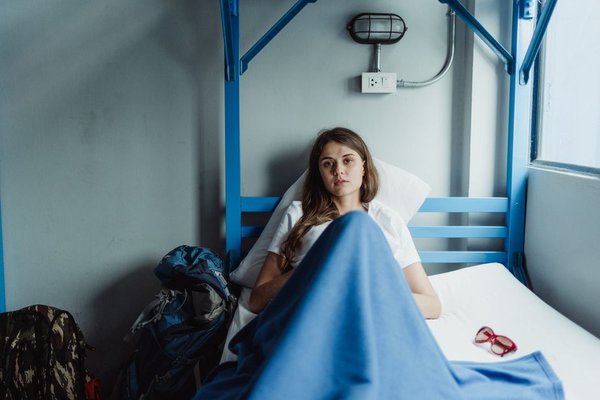
Only if the style suits you. Hostels can make socialising easier, while hotels or guesthouses may be better if you value privacy and quiet. Recent reviews, location and reliable check-in arrangements matter more than the accommodation label.
How can I make eating alone feel less awkward?
Begin with casual places where solo diners are common, bring a book if you enjoy reading, or sit at a counter where available. After a few meals, the experience usually feels far more ordinary.
Make the first trip a learning trip
Your first journey alone does not need to prove that you are fearless or perfectly organised. Treat it as useful practice. Notice what made you comfortable, what you packed but never used, which parts of the day you enjoyed most and where you wanted more structure.
The best preparation is enough planning to protect your time, safety and energy without trying to control every detail. Once the fundamentals are covered, give yourself permission to change your mind, take a slower day or choose the easier option. A smoother solo trip is not one where nothing unexpected happens; it is one where you feel equipped to handle the unexpected and keep enjoying the journey.