Travelling alone gives you freedom to set your own pace, but it also means making decisions without a companion to consult. Solo female travel safety in the UK is less about expecting trouble everywhere and more about keeping practical options available. A reliable way back, a comfortable place to stay and a plan for getting help can make unfamiliar journeys easier to enjoy.
Plan the awkward parts of the journey first
For women travelling alone in the UK, the most useful planning concerns the moments between destinations: arriving at a station, finding accommodation and returning after dark. Check the last train or bus, the distance from the stop to your door and whether your accommodation accepts late check-ins. Download a map and save the address offline.
Have a fallback for delayed arrivals
Imagine your evening train is delayed and the final bus has stopped running. Instead of deciding what to do on an unfamiliar street, move to a well-lit, staffed area and use the backup journey you identified beforehand. That might mean booking a licensed taxi or contacting your accommodation. Knowing the next step reduces pressure when plans change.
Where possible, schedule your first arrival during the day. It is easier to locate entrances, understand the neighbourhood and settle in without rushing. This is especially helpful for a first solo trip, although daylight alone does not guarantee safety.
Choose accommodation with the return journey in mind
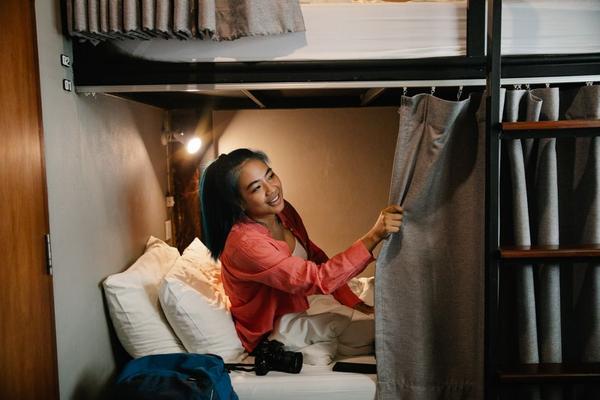
A bargain room is not necessarily good value if reaching it involves a long, isolated walk. Read recent reviews for details about lighting, access, door locks and reception hours. Check the actual entrance on a map; it may be around the corner from the advertised street address.
On arrival, find the exits and test the room lock. If you are uncomfortable with an access arrangement, ask staff for another room or a suitable solution. You do not have to tell strangers your room number, accommodation name or that you are staying alone.
Use trains, buses and taxis with confidence
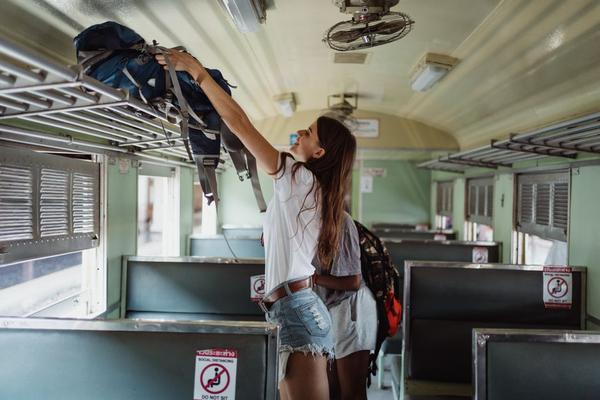
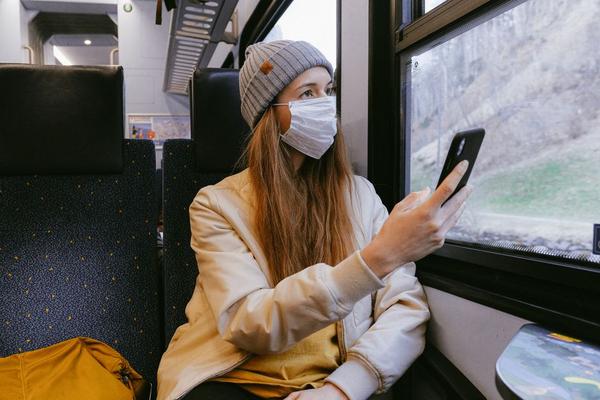
Public transport can make independent UK travel straightforward. Check service updates before leaving, particularly in the evening, and consider where you will wait. A staffed platform, station help point or busier area may be preferable to somewhere isolated.
On Britain’s railway network, British Transport Police accepts non-emergency reports by text to 61016. Include what happened and details of the location, time or train service. For immediate danger, call 999 rather than sending a text. You can also ask railway staff for help or move towards other passengers when safe to do so.
Check your booked vehicle
Private hire vehicles, including minicabs, must be pre-booked through licensed operators. Do not accept an unsolicited offer from someone claiming to be your driver. Before entering an app-booked car, check the registration and driver information against your booking. Taxi licensing arrangements differ across UK nations and areas, so use the authorised local service or taxi rank where appropriate.
If a journey feels wrong, speak up and seek a safe, public place to get assistance. Paying attention to your route and booking details is more useful than judging safety by how professional a car looks.
Think about the journey home before a night out
A solo evening at a restaurant, concert or pub can be a highlight of your trip. Decide how you will get back before going out. Check closing times for public transport, leave money for an alternative journey and keep enough phone charge for directions or calls.
If you drink alcohol, keep your drink in sight and respect your limits. You can decline drinks, invitations or offers of company. Your plans are not a negotiation, and you do not owe someone an explanation for leaving.
Some UK venues participate in Ask for Angela, a scheme through which someone who feels unsafe can discreetly ask staff for help. Look for participating-venue information, but do not assume every venue offers it. You can always approach staff or security directly and say you need assistance.
Set boundaries and protect your privacy
Useful female solo travel tips include preparing simple responses to unwanted attention. Try ‘No thanks, I’m leaving now’ or ‘I’d prefer to go on my own.’ If someone persists, move towards staff or a populated location rather than worrying about appearing impolite.
Share personal details selectively. A friendly conversation does not require disclosing your hotel, exact schedule or whether anyone expects you back. Consider posting location-tagged photos after leaving rather than broadcasting where you are in real time.
Trusting your judgement means allowing yourself to change a route, leave a venue or ask for help without waiting for a situation to become serious.
Arrange check-ins that actually help
Tell one trusted person your broad itinerary and agree on a realistic message time. For example: ‘I expect to reach the hotel by 10 pm. If I haven’t checked in by 11, please call.’ Decide together what they should do if you remain unreachable.
Location sharing can be useful, but it depends on battery, connectivity and personal preference. Carry a charger or power bank and keep an essential address somewhere besides your phone. A solo travel packing checklist can include these small items without overloading your bag.
Know the UK emergency options
Call 999 or 112 in an emergency, including immediate danger or serious injury. Police non-emergency matters can generally be reported on 101. British Transport Police provides its own channels for railway incidents, including 61016 for non-emergencies. For urgent medical advice that is not life-threatening, NHS 111 can direct you to appropriate help, although arrangements vary by UK nation.
If you experience harassment, theft or threatening behaviour, prioritise getting somewhere safe. Seek assistance from transport employees, venue staff or accommodation reception. When you are able, note the time, location and any useful details. Someone else’s misconduct is never your responsibility.
Frequently asked questions
Is the UK safe for women travelling alone?
Many women travel independently across the UK, but circumstances differ by location, time and activity. Practical preparation and a willingness to adjust plans matter more than broad assurances that every place is safe.
Should I avoid public transport after dark?
Not automatically. Review the particular route, waiting conditions and final walk. Consider a licensed alternative if a connection is unreliable or a stop feels unsuitable.
What should I do if someone follows me?
Move towards a staffed or populated place if safe, ask someone directly for assistance and call 999 if you are in immediate danger. Do not lead the person back to your accommodation.
What is the best first step for solo woman safety?
Plan how you will arrive and return, share a simple check-in time and save emergency contacts. Those habits give you flexibility without requiring an overly rigid itinerary.
Make space for the experience
Good solo travel preparation is about making a few important decisions before you need them. With reliable transport options, sensible boundaries and a trusted contact in place, you can spend less time worrying about logistics and more time enjoying the freedom of going alone.