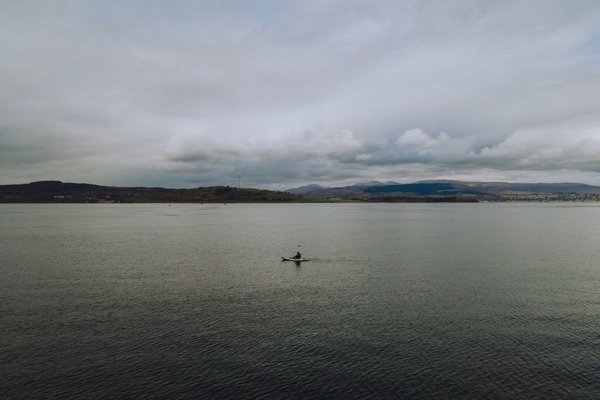
Scotland’s coastline rewards paddlers who travel at the pace of the tide. One morning brings still water beneath wooded headlands; the afternoon might deliver a headwind that makes the return harder. That contrast is part of the appeal of sea kayaking in Scotland, but it explains why planning starts with choosing the right stretch of coast, not simply the most dramatic photograph.
From sheltered sea lochs to exposed island passages, there are routes for different abilities. Match your experience, available time and confidence to a destination, then leave room to change plans.
Where to Go Sea Kayaking in Scotland
Firth of Clyde and west-coast sea lochs
The Firth of Clyde and western sea lochs offer attractive introductions to coastal paddling. Protected bays can provide manageable outings in suitable conditions, with harbours and villages as convenient bases. Sheltered does not mean hazard-free: wind can funnel along lochs, and ferries use some channels. Choose a route with a knowledgeable local leader.
Arisaig and the Small Isles coast
Arisaig is an appealing base for rocky skerries, sandy bays and views towards the Small Isles. Its intricate coastline offers shorter route options, but wind, tidal movement and landing conditions still demand attention. A guided paddle close to shore is different from an open-water island crossing.
Skye and the Sound of Sleat
Skye combines mountain scenery, sea cliffs and quiet-looking coves. Around the Sound of Sleat, guided sea kayaking can reveal spectacular coastline without committing visitors to exposed headlands. The day’s weather and tides should determine the route. A calm harbour is no guarantee of calm water around the next corner.
Outer Hebrides and Orkney
The Outer Hebrides draw experienced paddlers seeking wild beaches and island scenery. Atlantic exposure, limited shelter and changing weather complicate planning. Orkney has impressive coastal landscapes too, but some channels carry powerful tidal streams. Both regions demand local knowledge; the Pentland Firth is not a casual touring objective.
Choose a Trip by Commitment, Not Distance
A five-kilometre paddle beside an accessible shore may be easier than a shorter crossing with nowhere to land halfway. Before arranging kayaking holidays in Scotland, ask how exposed the route is, where you could land and what happens if conditions deteriorate.
Newcomers should seek shorter guided outings with time for basic strokes and safety practice. Developing paddlers can progress towards longer trips after gaining confidence in wind, waves and assisted rescues. Independent coastal journeys demand navigation, tidal planning and reliable self-rescue skills. Paddle Scotland offers coastal navigation and tidal planning training for those preparing to advance.
What to Expect From a Guided Trip
Guiding means more than renting equipment. A competent provider assesses the group, checks conditions, gives a safety briefing and adjusts the route. Some outings welcome beginners; others expect previous sea kayaking and rescue experience. Read the requirements rather than relying on photographs.
Ask whether the fee includes a kayak, paddle, buoyancy aid, spray deck and suitable immersion clothing. Confirm group size, fitness expectations, meeting point and cancellation terms. For multi-day tours, ask how equipment is transported and what happens during bad-weather days. A flexible itinerary is a positive sign.
Check Weather and Tides Separately
Start with a marine forecast
A sunny forecast for a nearby town says little about the sea beyond a headland. The Met Office inshore waters forecast covers wind direction and strength, sea state, visibility and weather. Check it alongside local conditions near departure. Offshore winds are concerning because they can push kayaks away from land.
Consider the return journey too. An easy outward paddle with the wind behind you may become an exhausting struggle back. Be prepared to shorten, relocate or cancel an outing.
Understand what the tide is doing
Tide tables show changes in water level, not the full picture of currents through narrow channels. Use tidal-stream information, charts, coastal guides and local advice alongside predictions. ADMIRALTY EasyTide provides short-range tide predictions for many UK locations, but cannot replace route-specific current information.
A beach accessible at high tide may turn into an awkward rocky carry at low tide. Check launch and landing options at the expected times, allowing a generous margin for delays.
Clothing, Equipment and Emergency Planning
Scottish seawater can be cold even on a warm day. Dress for unexpected immersion, not just the air temperature. Wear a correctly fitted buoyancy aid and suitable thermal or immersion protection. Guided-trip operators should explain what they provide and what guests must bring.
Carry water, food, sun protection and spare warm layers in waterproof storage. A properly equipped group needs navigation equipment, communications and practised rescue skills. Keep a waterproofed phone on your person where coverage is suitable; remote journeys may call for marine radio or a registered personal locator beacon. A sea kayaking packing checklist helps prevent forgotten personal essentials.
Tell someone ashore your plan and expected return time. Practise recovery after a capsize. If there is an emergency at the coast, call 999 or 112 and ask for the Coastguard.
A Practical Arisaig Day-Trip Example
Imagine two friends booking an introductory paddle near Arisaig. One has never kayaked at sea. Instead of asking to cross to an island, they explain their experience and request a sheltered coastal route with easy landing opportunities. The guide checks the forecast, tide and wind before selecting a suitable launch and a backup option.
The group agrees on signals, spacing and what to do if somebody becomes tired. If the wind freshens, they shorten the outing and return early. Fewer kilometres do not make it a lesser adventure. This flexible approach helps Scotland sea kayaking remain enjoyable rather than becoming an endurance test.
Look After Wildlife and the Shore
Seals and seabirds are part of the experience, not wildlife to approach closely. Keep your distance, avoid nesting areas and move away if animals react to your presence. Respect harbour activity, take litter home and choose considerate landing places. Ethical wildlife watching tips are worth reviewing before departure.
Scotland’s Outdoor Access Code asks visitors to protect the environment, respect others and act responsibly. If planning an overnight stop, read responsible wild camping in Scotland guidance before setting out.
Frequently Asked Questions
Can beginners try sea kayaking in Scotland?
Yes. Choose an introductory guided session with suitable equipment and a sheltered route. Do not attempt exposed crossings without the necessary experience.
What is the best season for a trip?
Late spring through early autumn typically brings longer daylight and more trip options. Conditions remain changeable throughout the year, so allow flexibility.
Do multi-day trips require previous experience?
Requirements differ. Supported tours may welcome developing paddlers, while remote expeditions demand stamina, navigation and rescue competence. Check the operator’s prerequisites.
How should I check conditions before launching?
Review a current marine forecast, tide and tidal-stream information, local hazards and your return plan. If uncertain, ask an experienced guide.
Let the Conditions Shape the Adventure
Coastal kayaking in Scotland is most rewarding when the route suits the people and the weather. Choose a region for your ability, use skilled support when needed and keep alternatives open. The finest trip brings everyone back ready to paddle again.