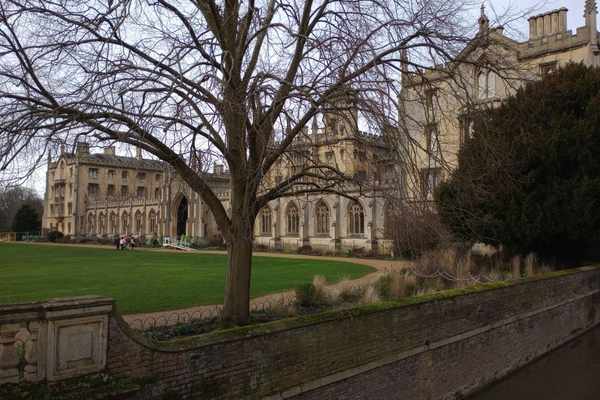
Cambridge makes an inviting first solo city break: its historic centre is compact, there are interesting places to linger without company, and a riverside walk can be as satisfying as a packed sightseeing schedule. If you have enjoyed Oxford, Cambridge offers a different rhythm, with punts on the River Cam, intimate museums and green spaces within easy reach of its famous colleges.
For solo travel in Cambridge, plan one or two fixed activities and leave room to wander.
Why Cambridge works for solo travellers
Most central attractions are close enough to explore on foot. Around King’s Parade and Market Square, you can move between colleges, shops and cafés without complicated transport connections. The university atmosphere also means seeing people reading, eating or walking alone feels entirely ordinary.
A Cambridge solo trip suits curious travellers seeking a gentle weekend away. There are guided tours if you want conversation, but plenty of self-directed experiences when you would rather set your own pace.
Getting to Cambridge and choosing where to stay
Cambridge’s main railway station has connections to London and other destinations. It lies outside the historic centre, so allow roughly 20 to 30 minutes to walk into central Cambridge, depending on your route. Buses and taxis are alternatives when arriving with luggage or after dark.
For a short solo city break in Cambridge, staying near the historic centre makes evening walks and early starts easy. Accommodation near the railway station is practical for an early departure, while the area around Regent Street offers a compromise between the station and central sights.
Check recent accommodation reviews, reception arrangements and the walking route before booking. A centrally located room that costs more may be worthwhile if it saves late-night journeys. Budget travellers can also compare guesthouses, hostels and university college rooms when available.
A relaxed one-day route through Cambridge
Start near the station and Botanic Garden
If arriving by train in the morning, consider beginning at Cambridge University Botanic Garden, close to the station. Its paths, glasshouses and seasonal planting offer a peaceful first stop. Admission is charged for most adult visitors, and opening hours change with the seasons, so check before setting off.
Continue towards Trumpington Street and the Fitzwilliam Museum. General admission to its permanent collections is free, making it a good place to spend as much time as you like. It is generally closed on Mondays, and some special exhibitions require tickets.
Explore the historic centre at your own pace
From the museum, walk towards King’s Parade, where the grand frontage of King’s College Chapel gives Cambridge its unmistakable character. If you want to go inside, check the college’s visitor schedule and book ahead when possible; access and prices vary. Other college grounds may have restrictions during university activities.
Pause at Market Square for lunch, then wander along the nearby streets rather than rushing between landmarks. A useful solo-travel habit is to choose a café with a window seat, put your phone away for twenty minutes and watch the city unfold.
Finish beside the River Cam
Head towards Quayside or the riverside paths for a different perspective on Cambridge. Seeing punts pass beneath old bridges is enjoyable even without buying a ticket. You can extend the walk towards Jesus Green, where there is space to rest or read.
This route is flexible rather than a race. On a rainy day, spend longer in the museum; in sunshine, give the gardens and river more time. That freedom is one of the best parts of visiting Cambridge alone.
Should you go punting by yourself?
Yes, but a shared chauffeured punt tour is usually the simplest choice. You can enjoy views of the college Backs without steering a boat alone, and you may meet other visitors. Self-hire is another option if you are comfortable handling a punt, although it can be trickier than it looks.
Buy from a licensed operator at an authorised station, such as Quayside or the Mill Pond, rather than responding to unsolicited ticket sellers in busy streets. Check the route, duration and price before paying. A guided walking tour is another way to add company to a solo afternoon.
Other worthwhile stops if you have more time
Kettle’s Yard combines contemporary art with a remarkable former home. Its gallery exhibitions and house visits have different ticket arrangements; the house uses timed entry and normally has an admission charge for adults over 25. Plan ahead rather than assuming every part is free.
For a second day, add a longer walk across the commons, another museum or time browsing bookshops. If you are comparing university cities, a guide to solo travel in Oxford can help. A wider guide to UK solo city breaks is useful for planning your next weekend.
Walking, cycling and eating on your own
Walking is ideal for the old centre, where narrow streets and busy junctions require attention. Cambridge is known for cycling, but hiring a bicycle is optional. If you ride, obey local signs, give pedestrians priority on shared paths and dismount where cycling is restricted.
Eating solo here is straightforward. Market stalls suit an informal lunch, while cafés are convenient for a meal with a book. For dinner, look for a restaurant with counter seating or book an earlier table if you prefer a quieter atmosphere. You do not need to disguise being alone by staring at your phone.
Easy evening plans and sensible safety habits
Cambridge has theatres, cinemas, concerts and college chapel services, subject to their schedules. A performance gives the evening a natural focus without staying out late. Alternatively, have dinner near your accommodation and enjoy a short walk through well-used central streets.
Use the same precautions you would in any unfamiliar city: keep valuables secure, charge your phone, check your route and avoid poorly lit shortcuts late at night. If returning from a venue far from your room, choose a trusted taxi or appropriate public transport. A guide to solo travel safety tips can provide extra preparation.
Frequently asked questions
Is Cambridge good for a first solo trip?
Yes. Its walkable centre, museums and cafés make it manageable without a strict itinerary. Start with daytime sightseeing and add guided activities if you would enjoy some company.
How many days do you need in Cambridge alone?
One full day covers the central highlights at a relaxed pace. Two days allow time for Kettle’s Yard, a punting tour and longer walks without feeling rushed.
Can you visit Cambridge without a car?
Absolutely. Arrive by train, then explore most central sights on foot. Buses, taxis and bike hire are available for journeys beyond comfortable walking distance.
Is Cambridge expensive for solo travellers?
Accommodation and paid college visits can add up, particularly at busy times. Balance these with free museum collections, riverside walks and inexpensive café or market meals. Checking ticket costs before arrival helps avoid surprises.
Make Cambridge your own
The pleasure of a solo Cambridge visit comes from following your curiosity. Choose an attraction you genuinely care about, leave time for the river and do not overfill the day. You may arrive hoping to see famous buildings and leave remembering a peaceful museum room or an unhurried afternoon beside the Cam.